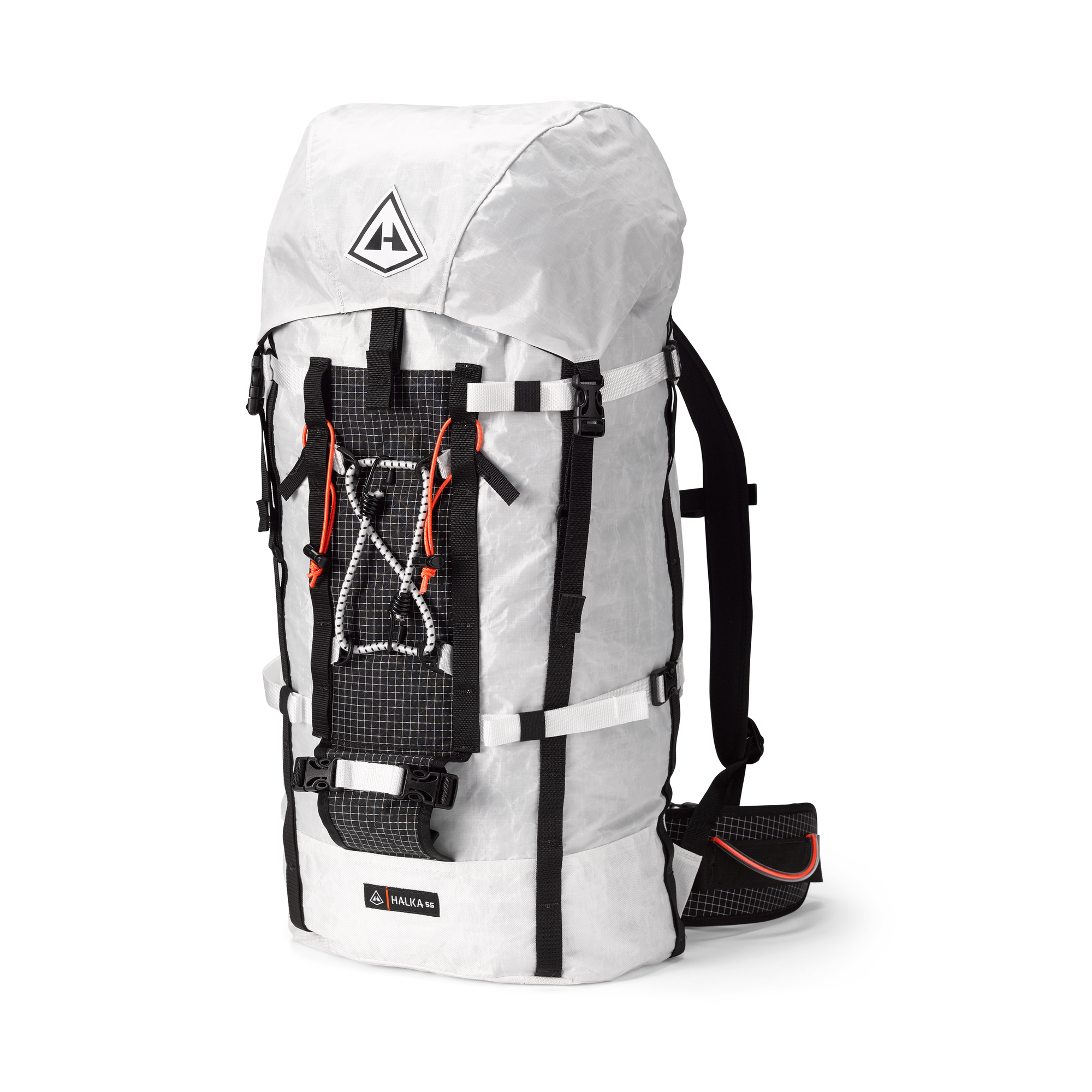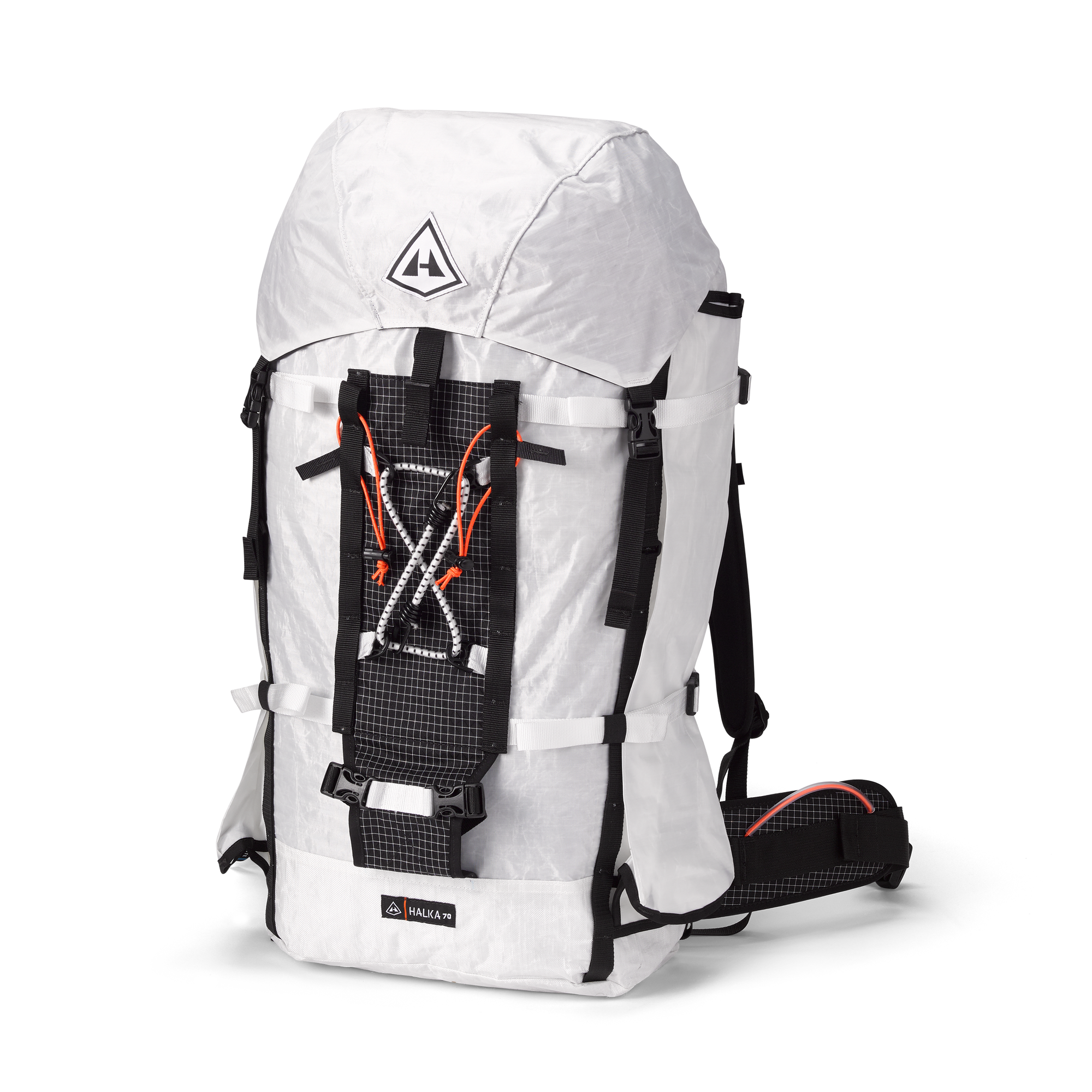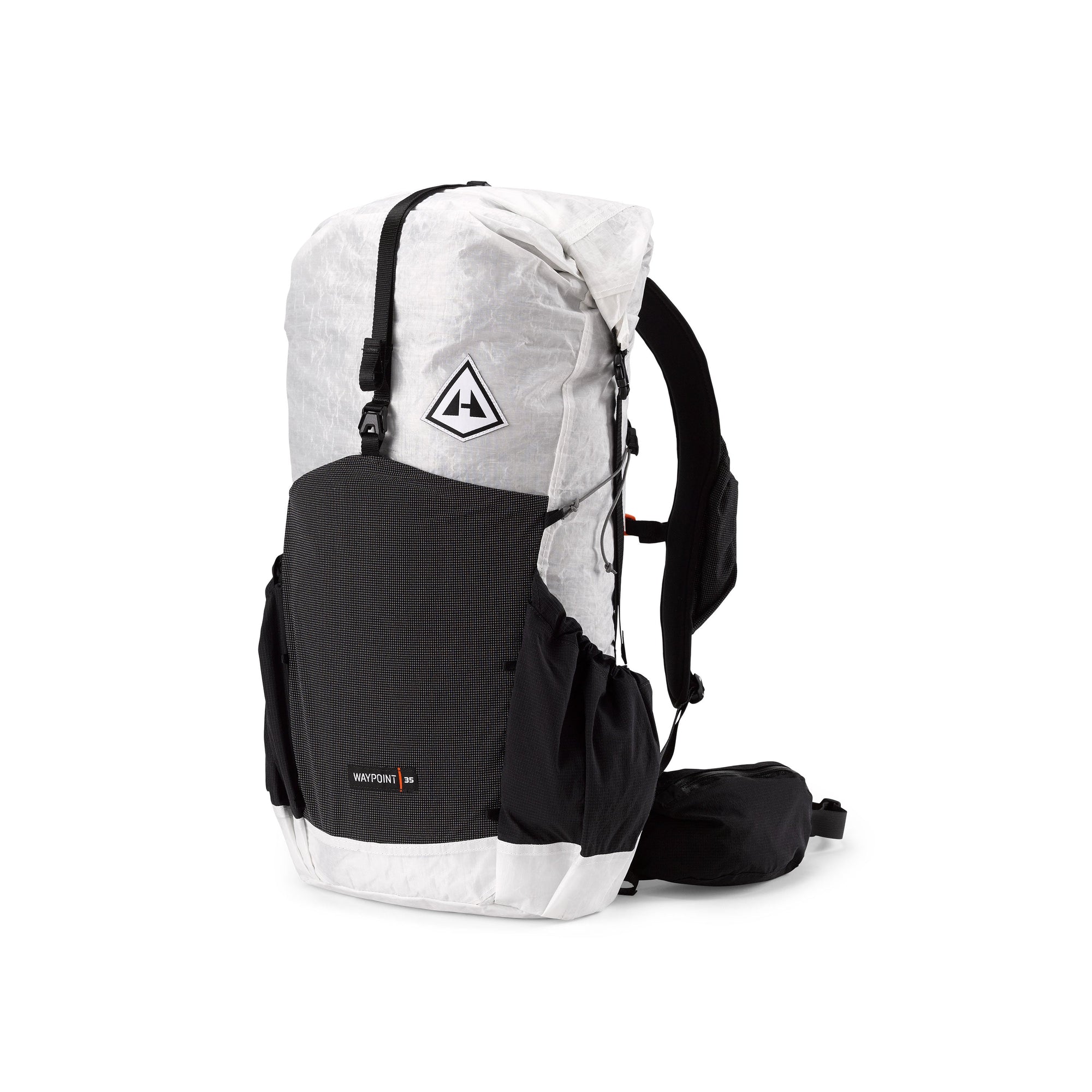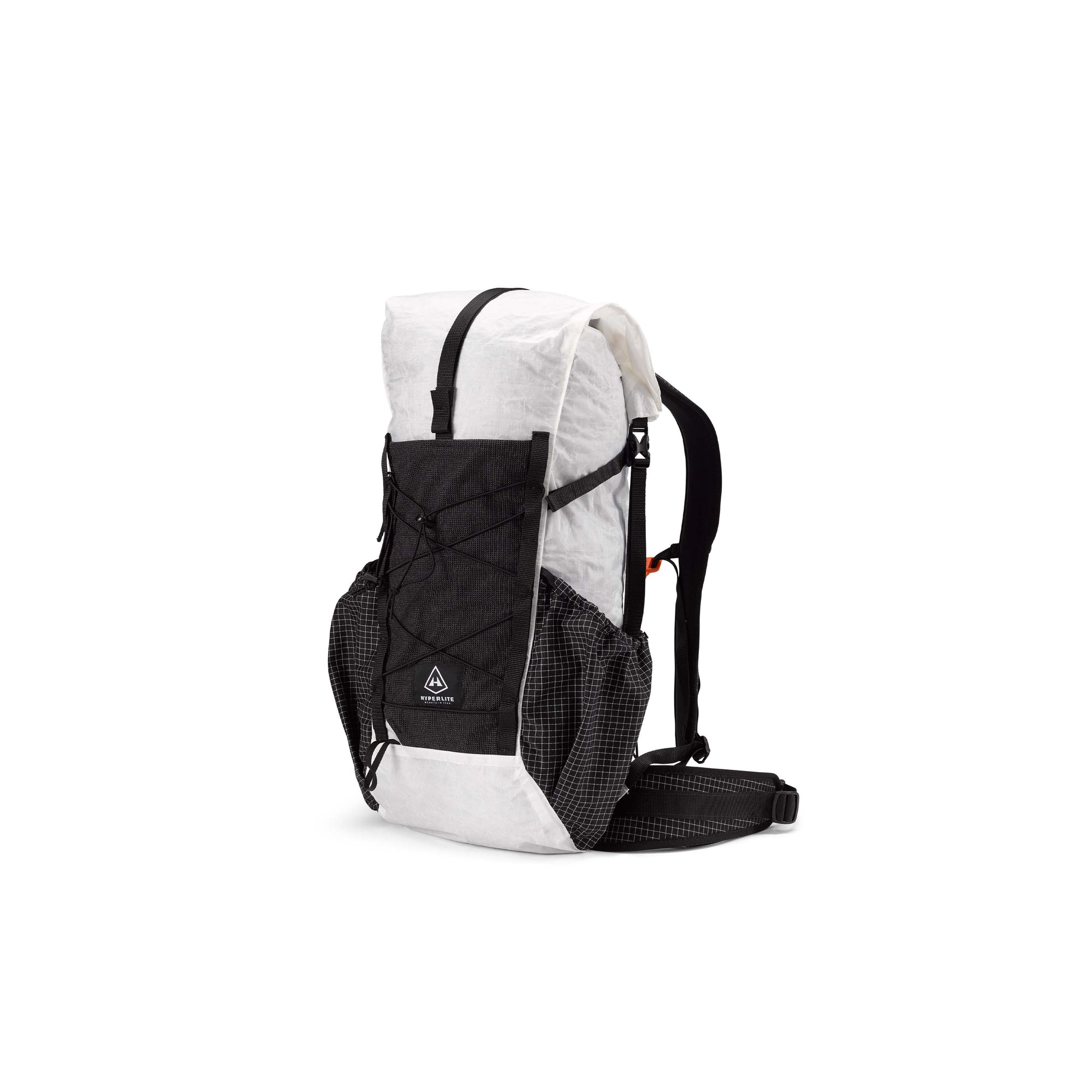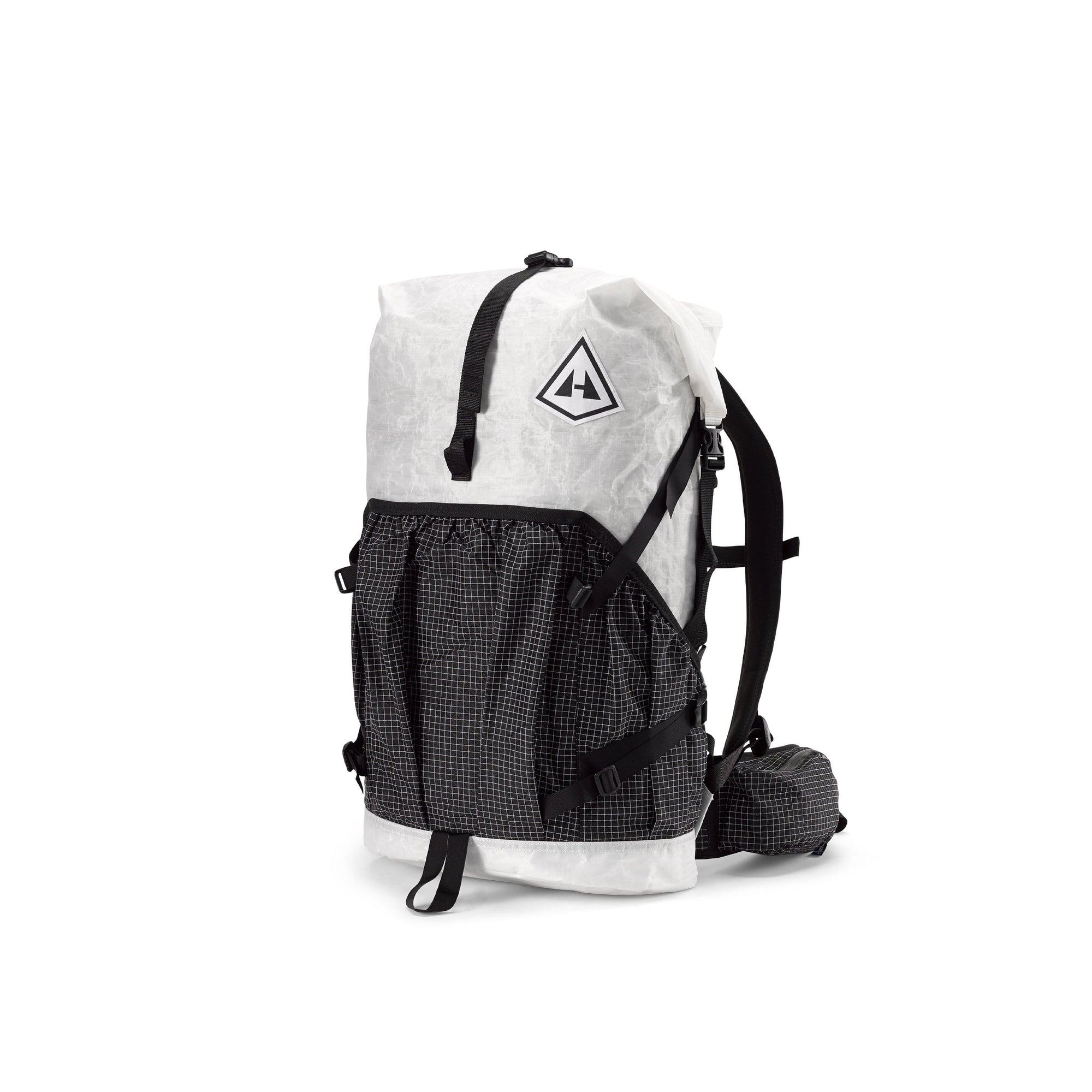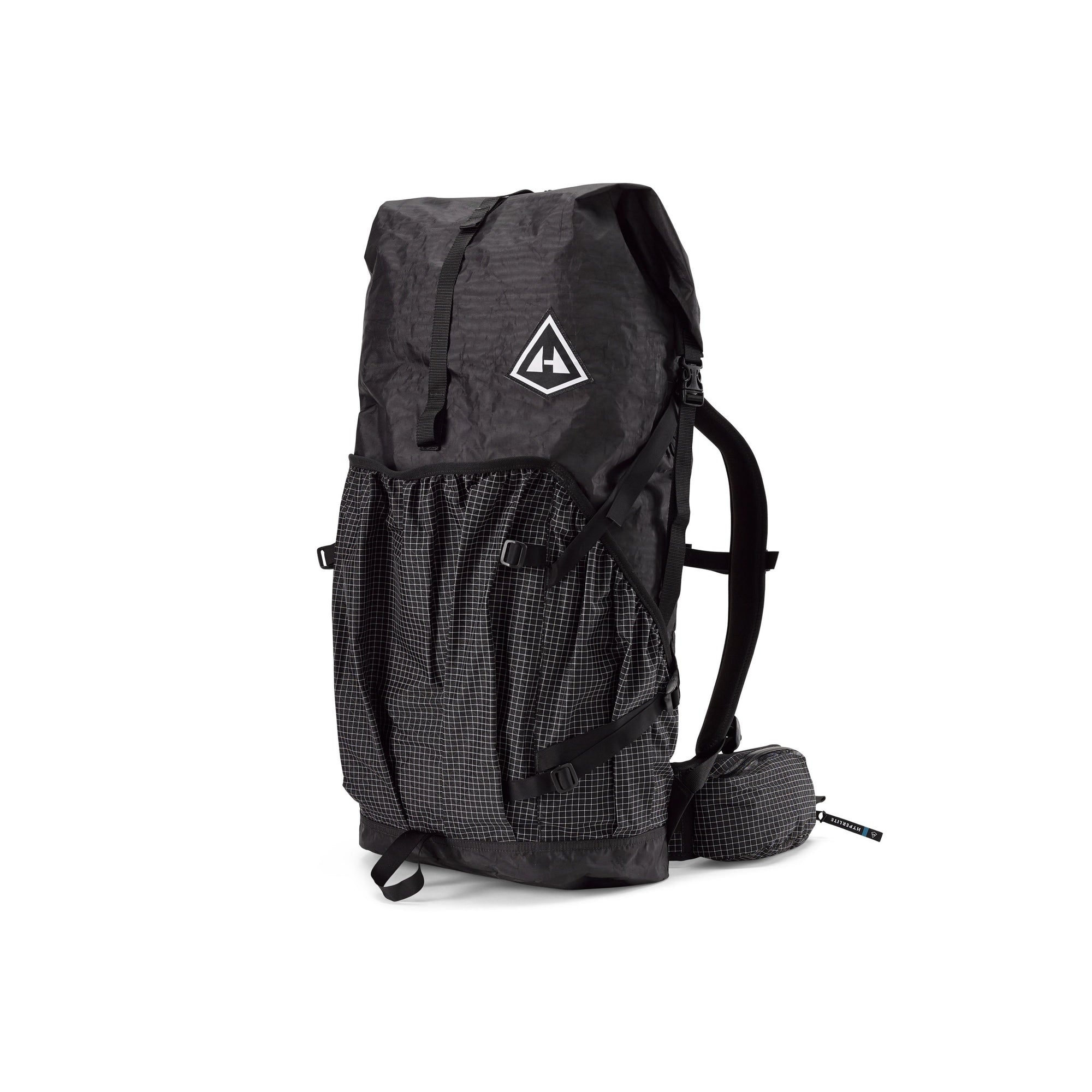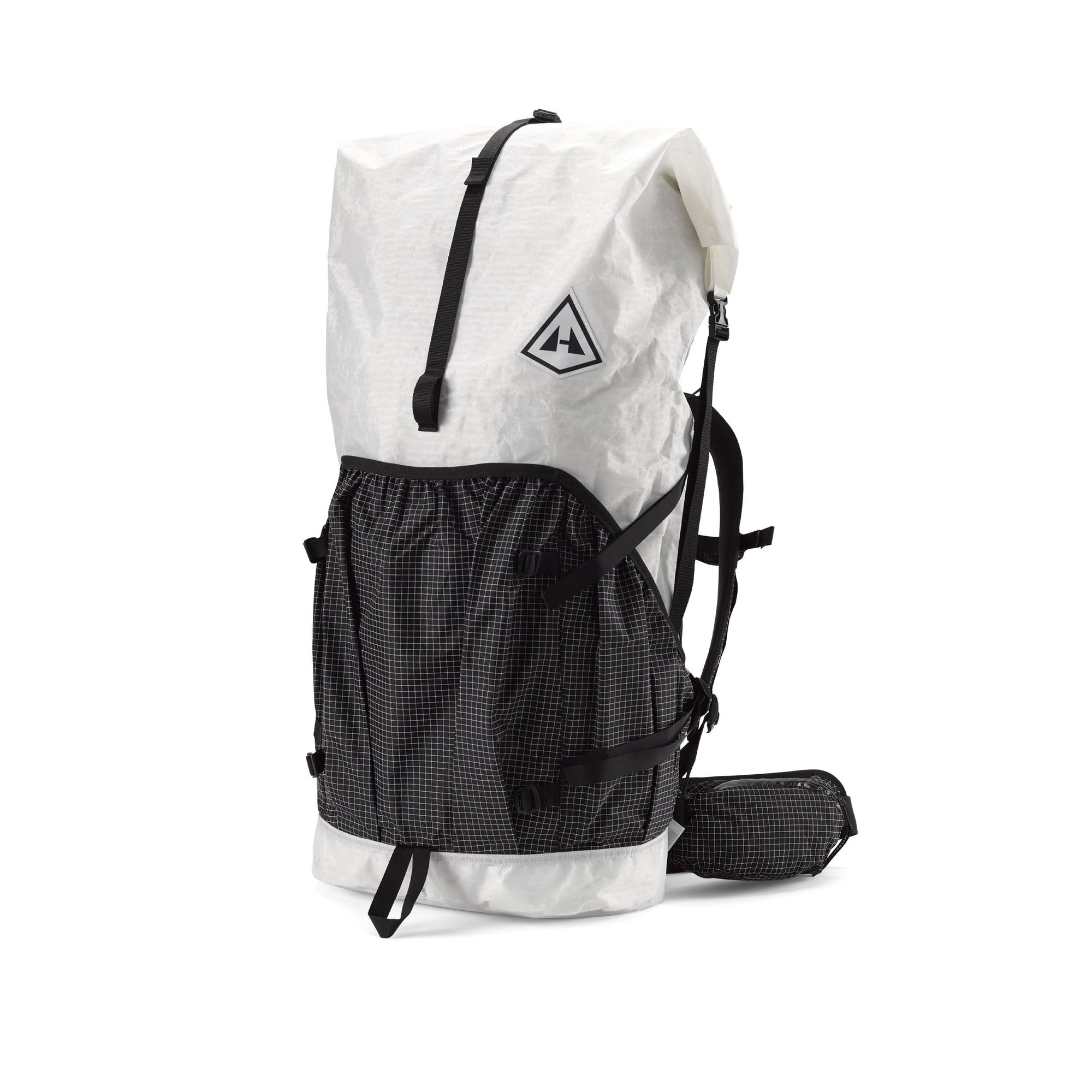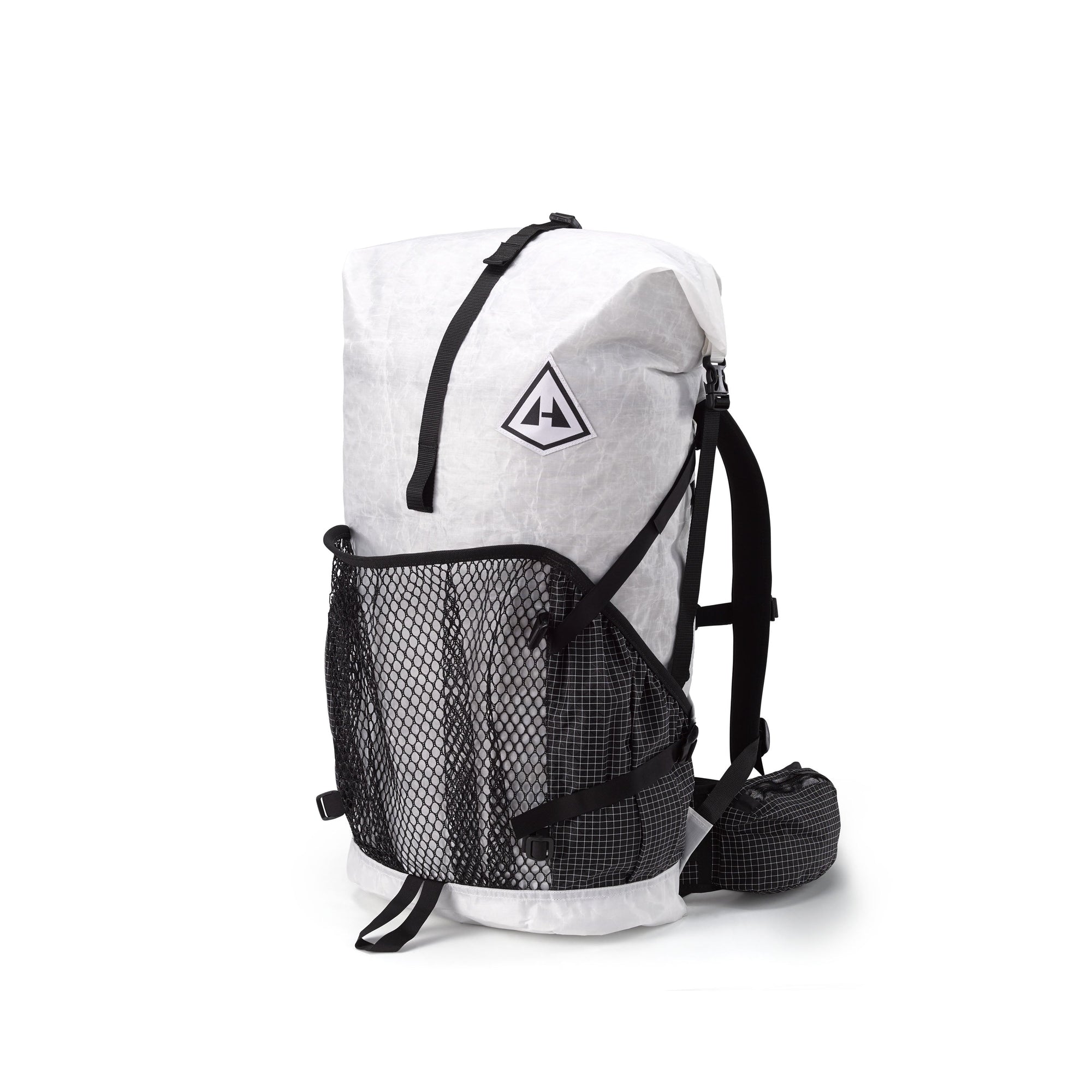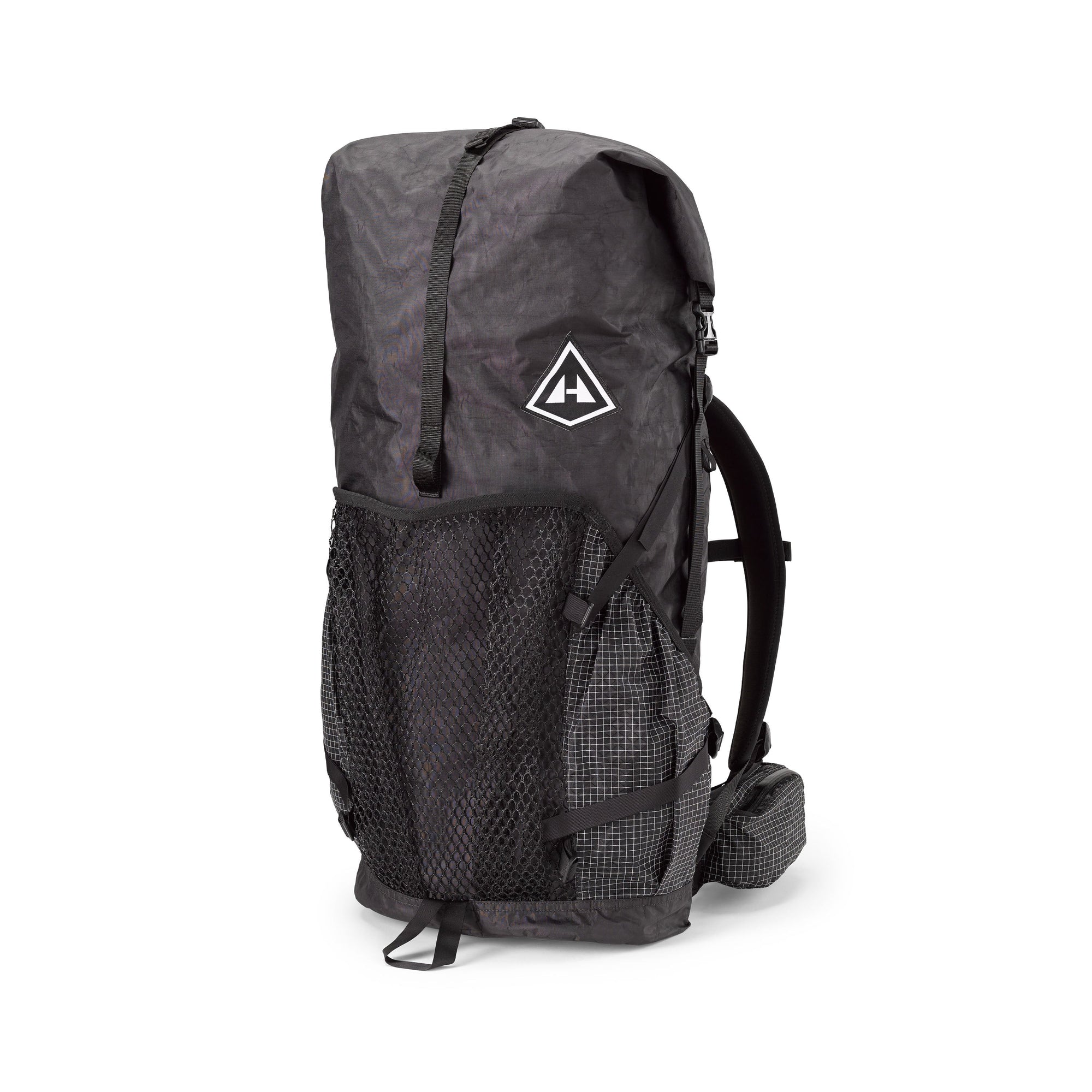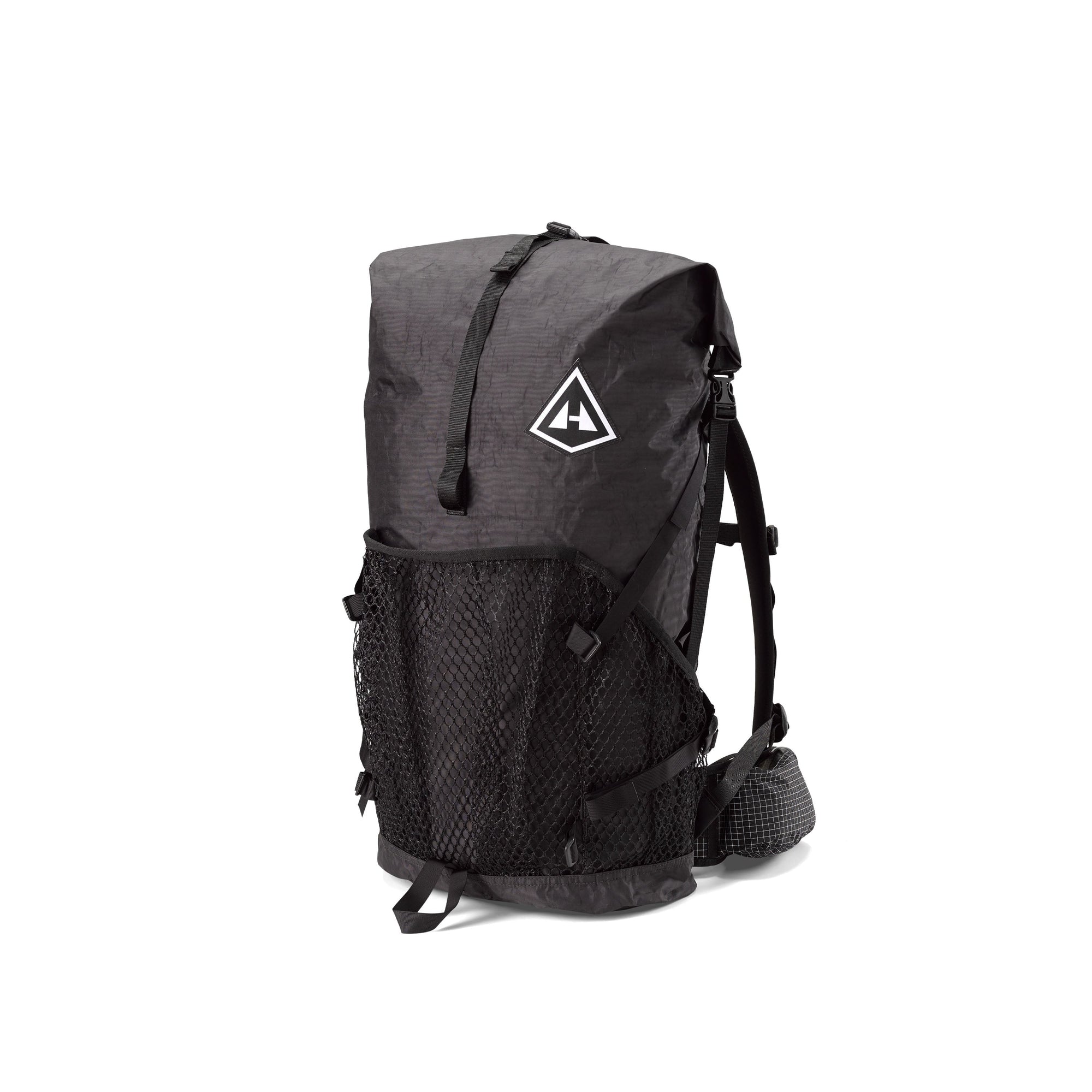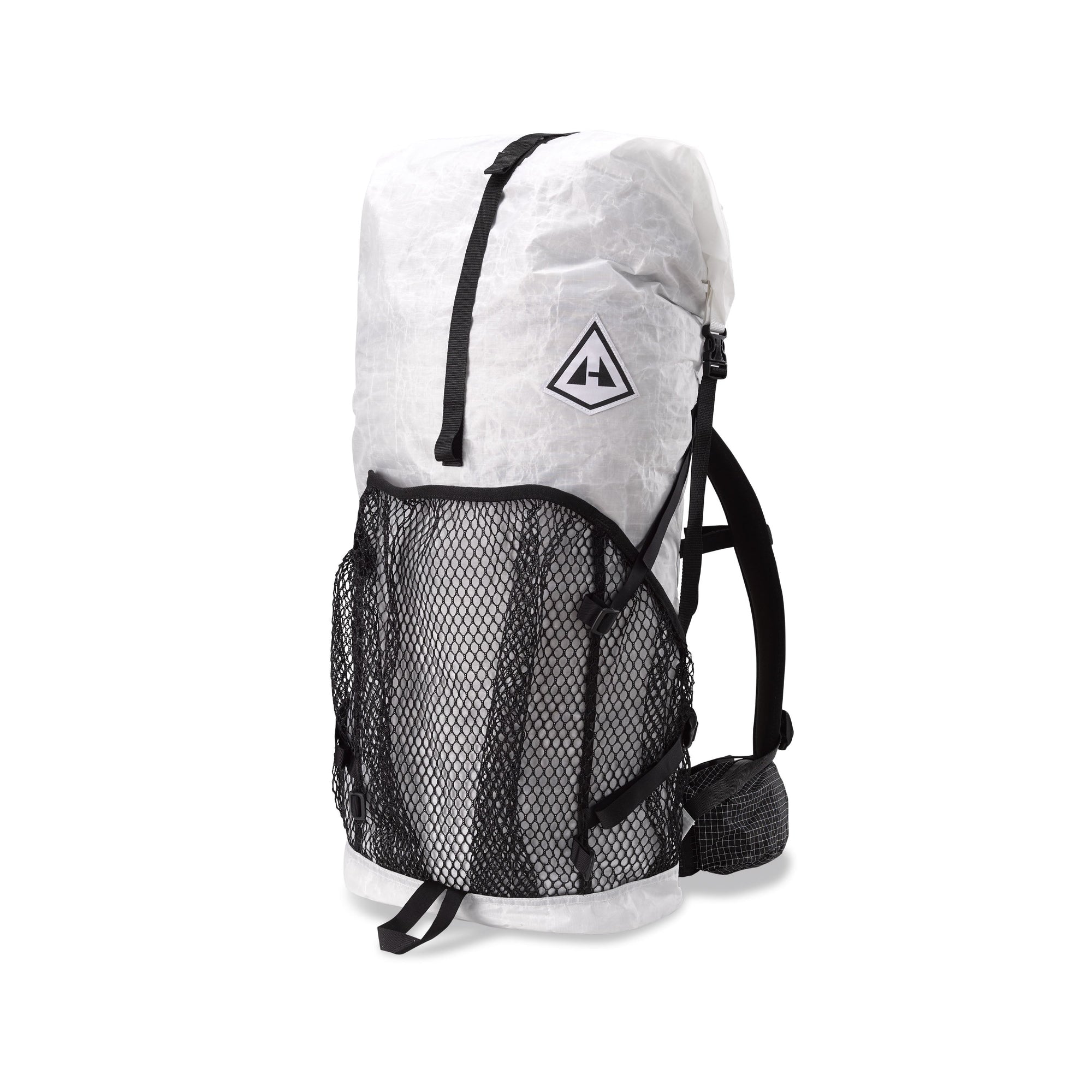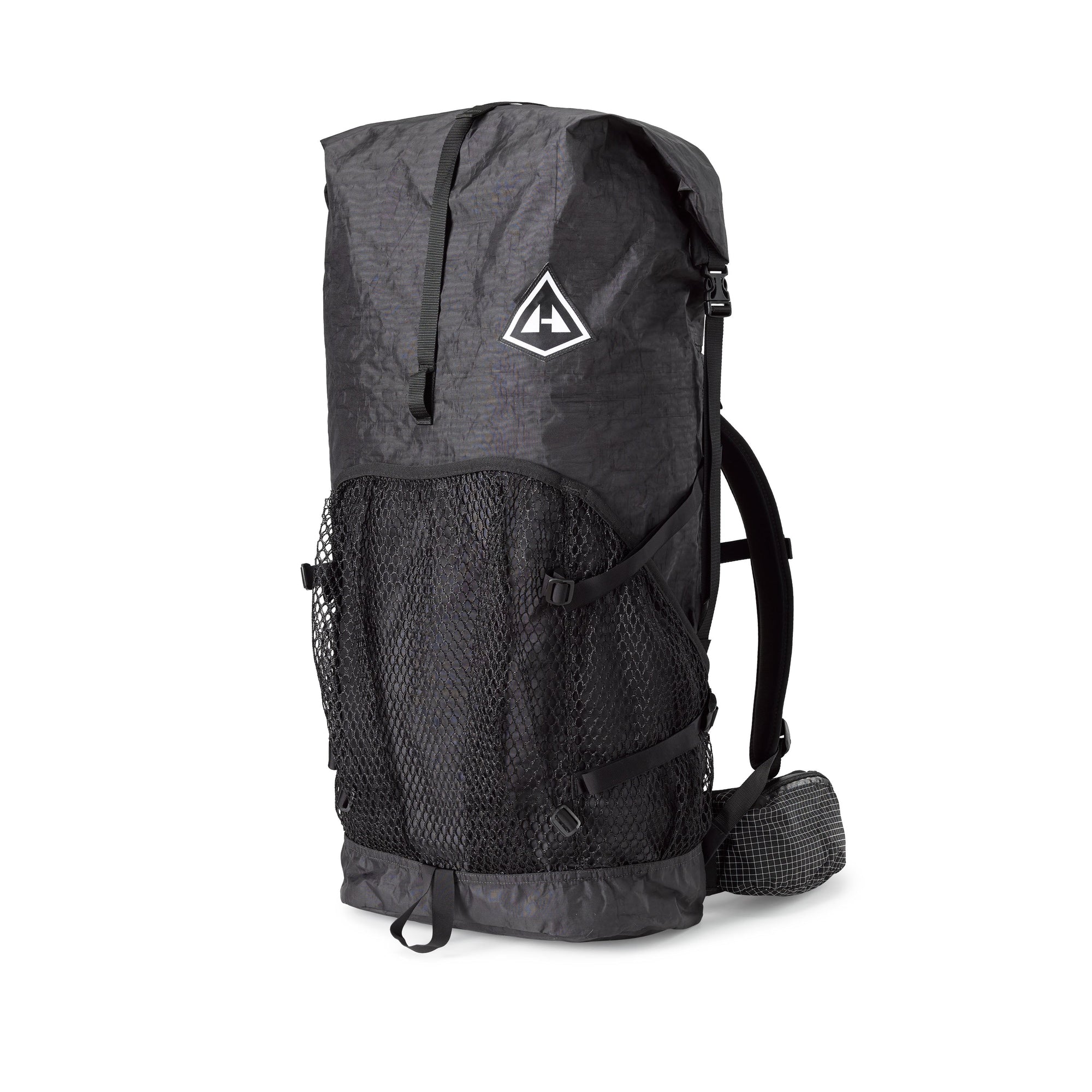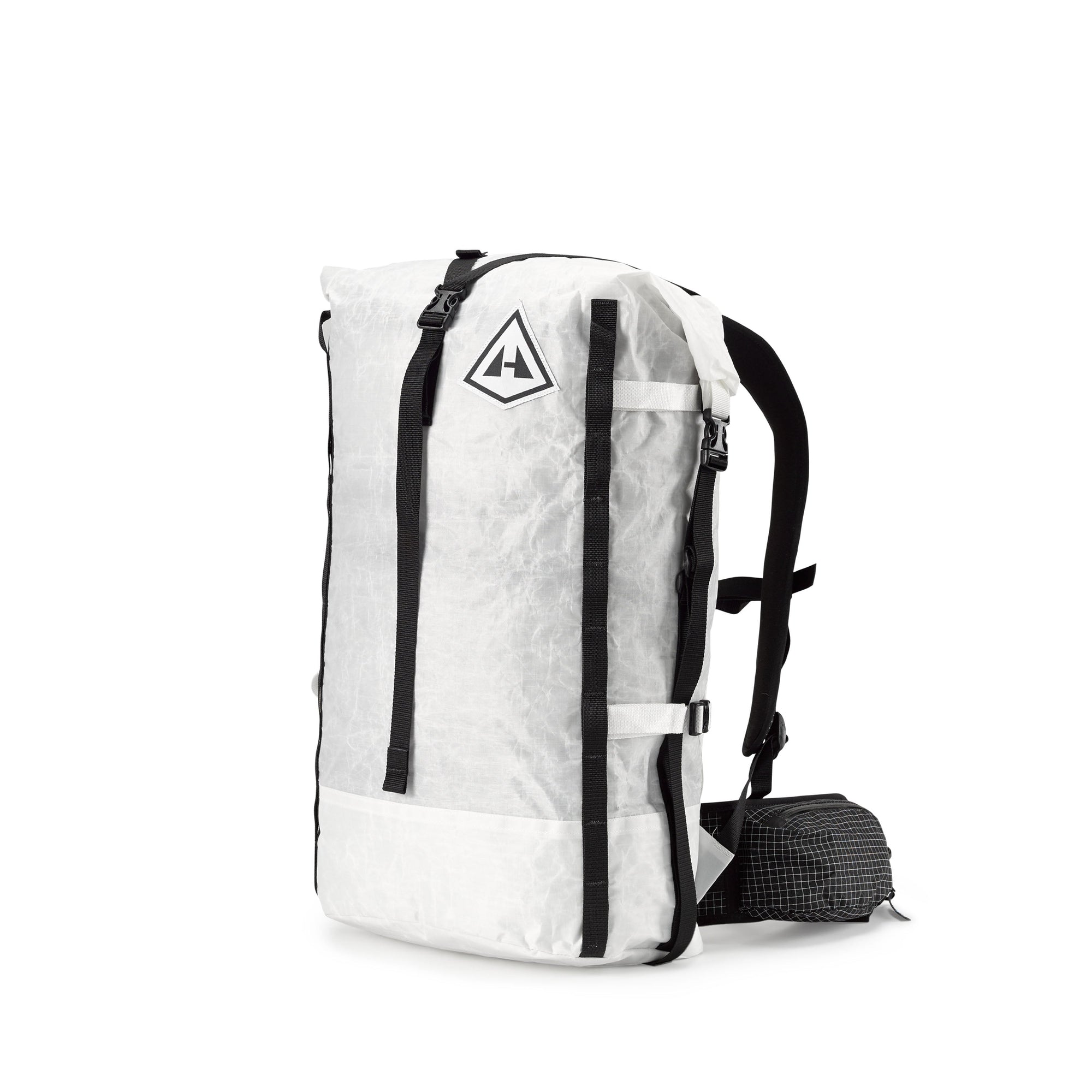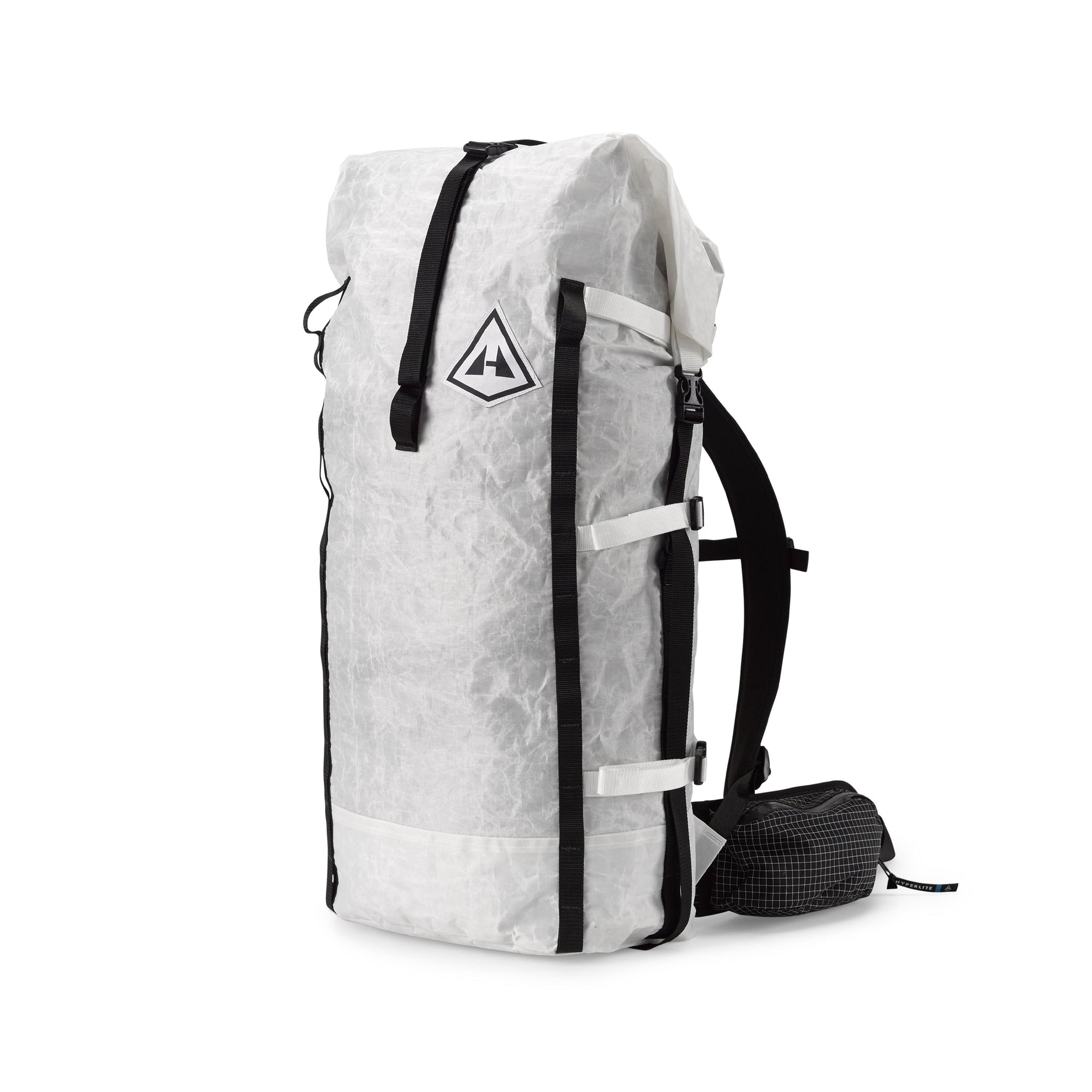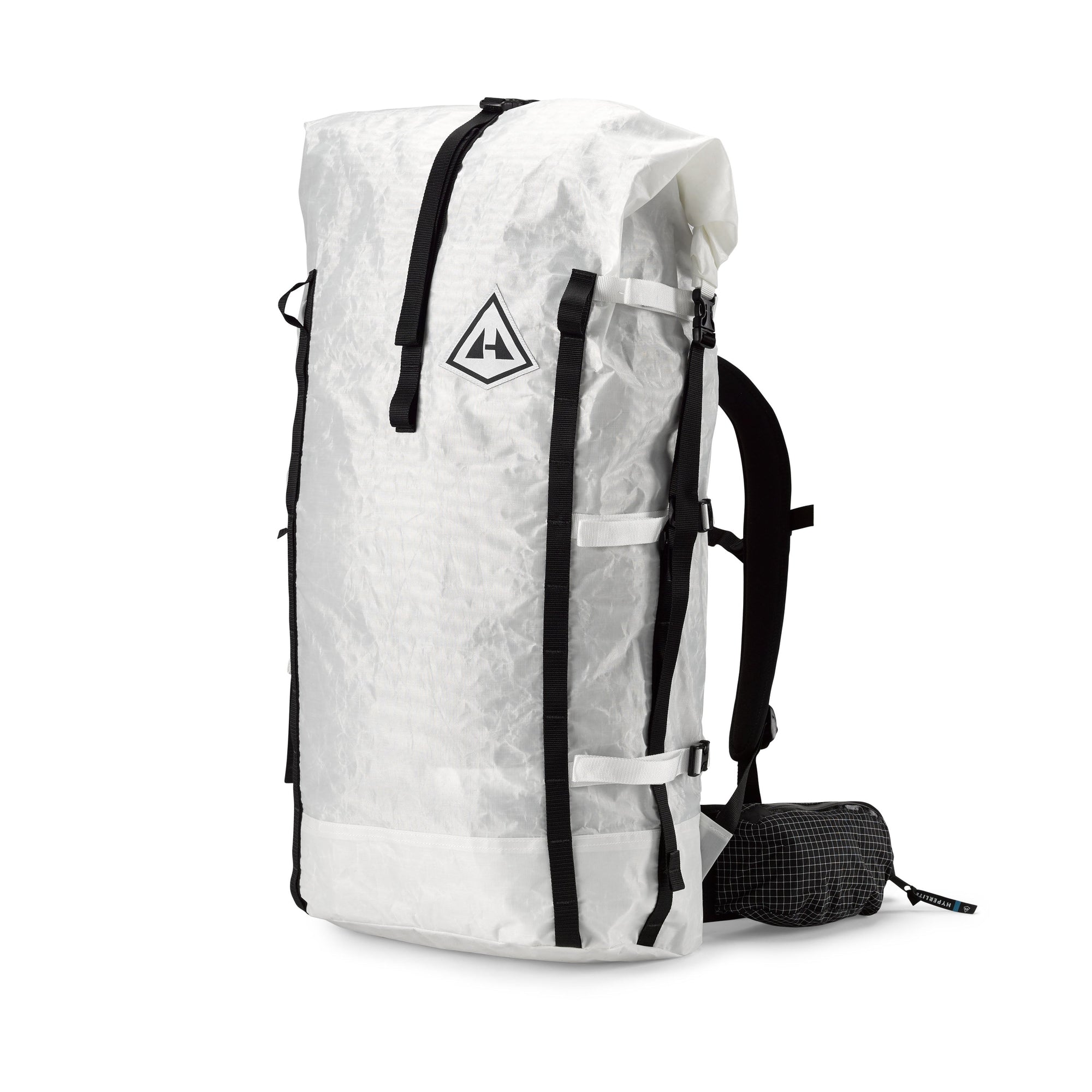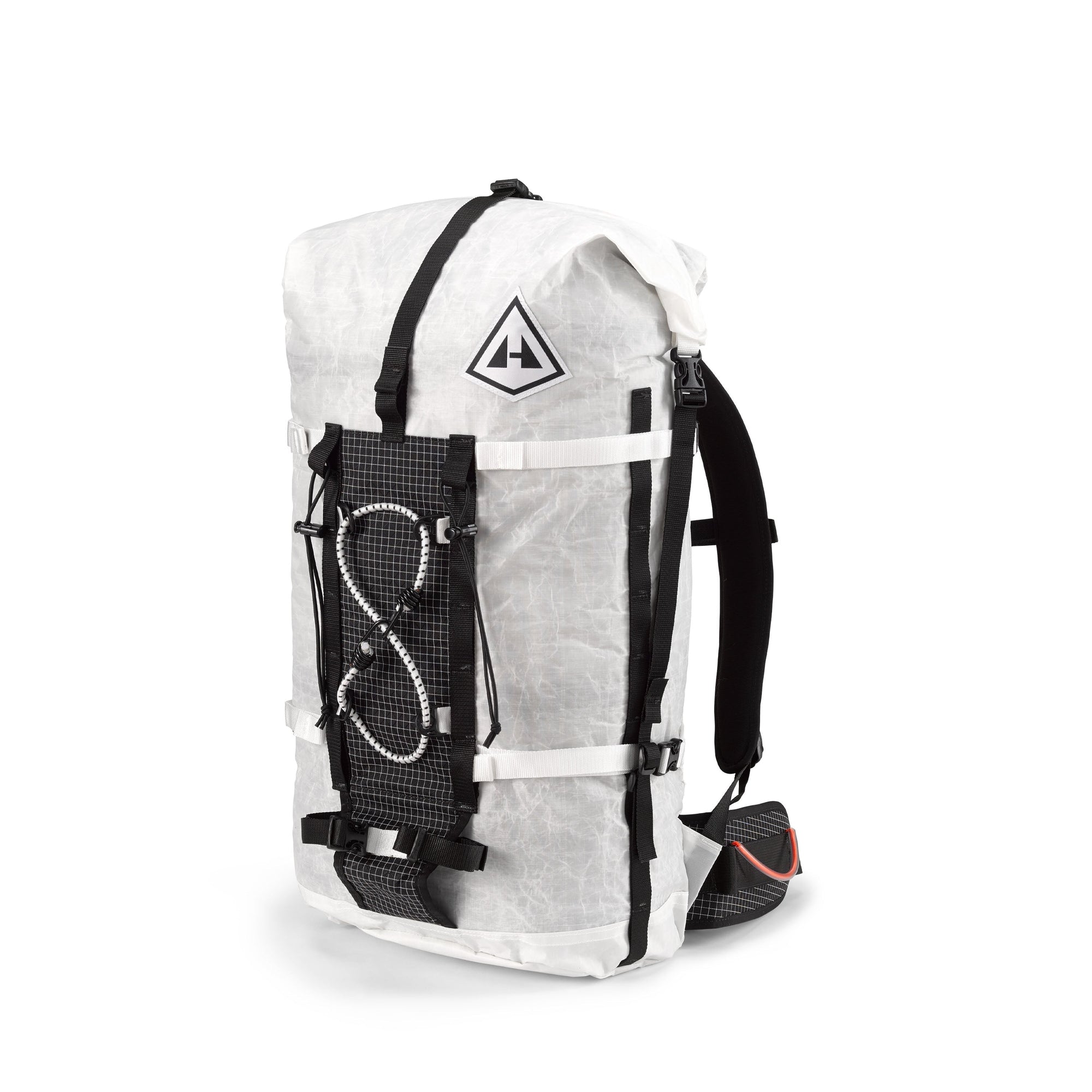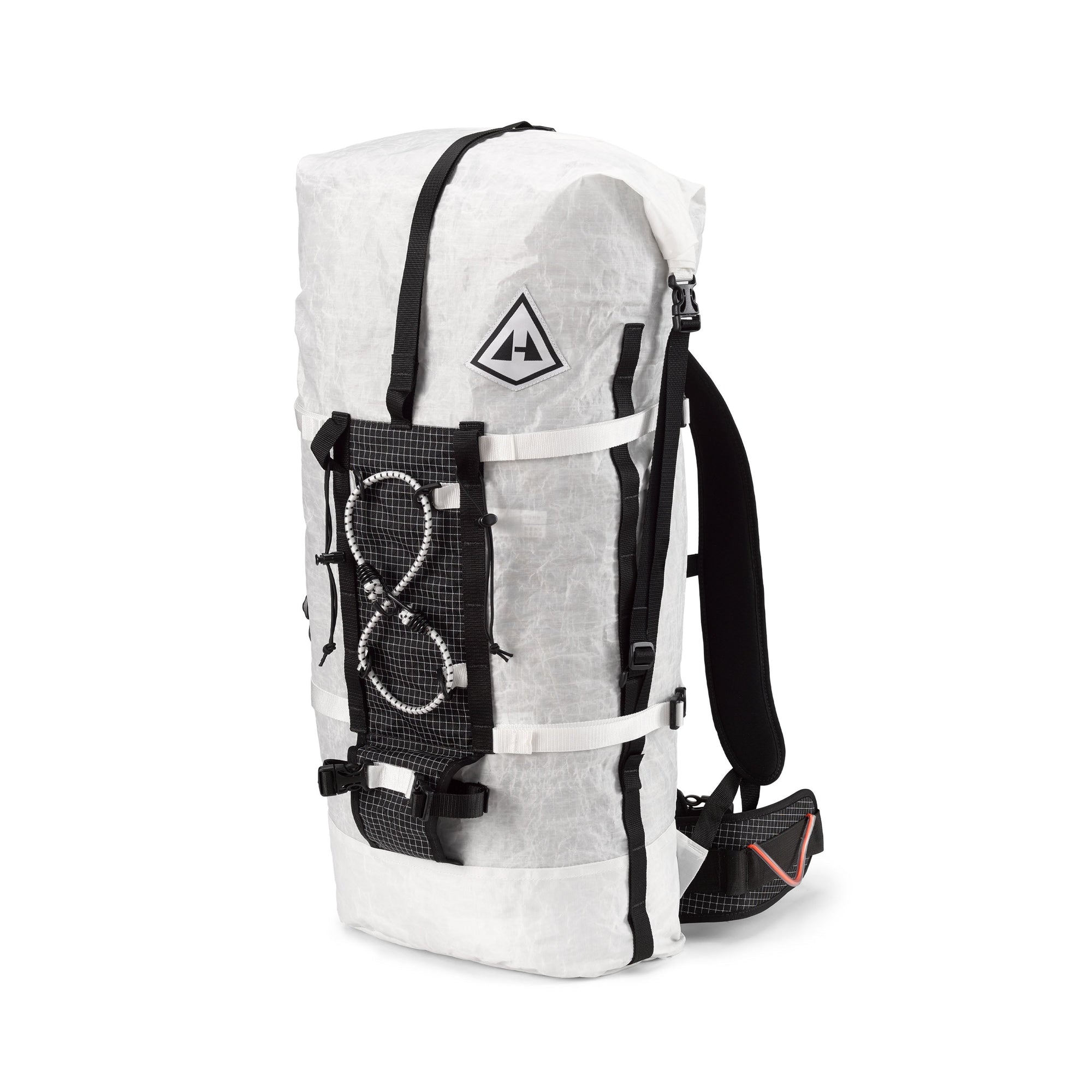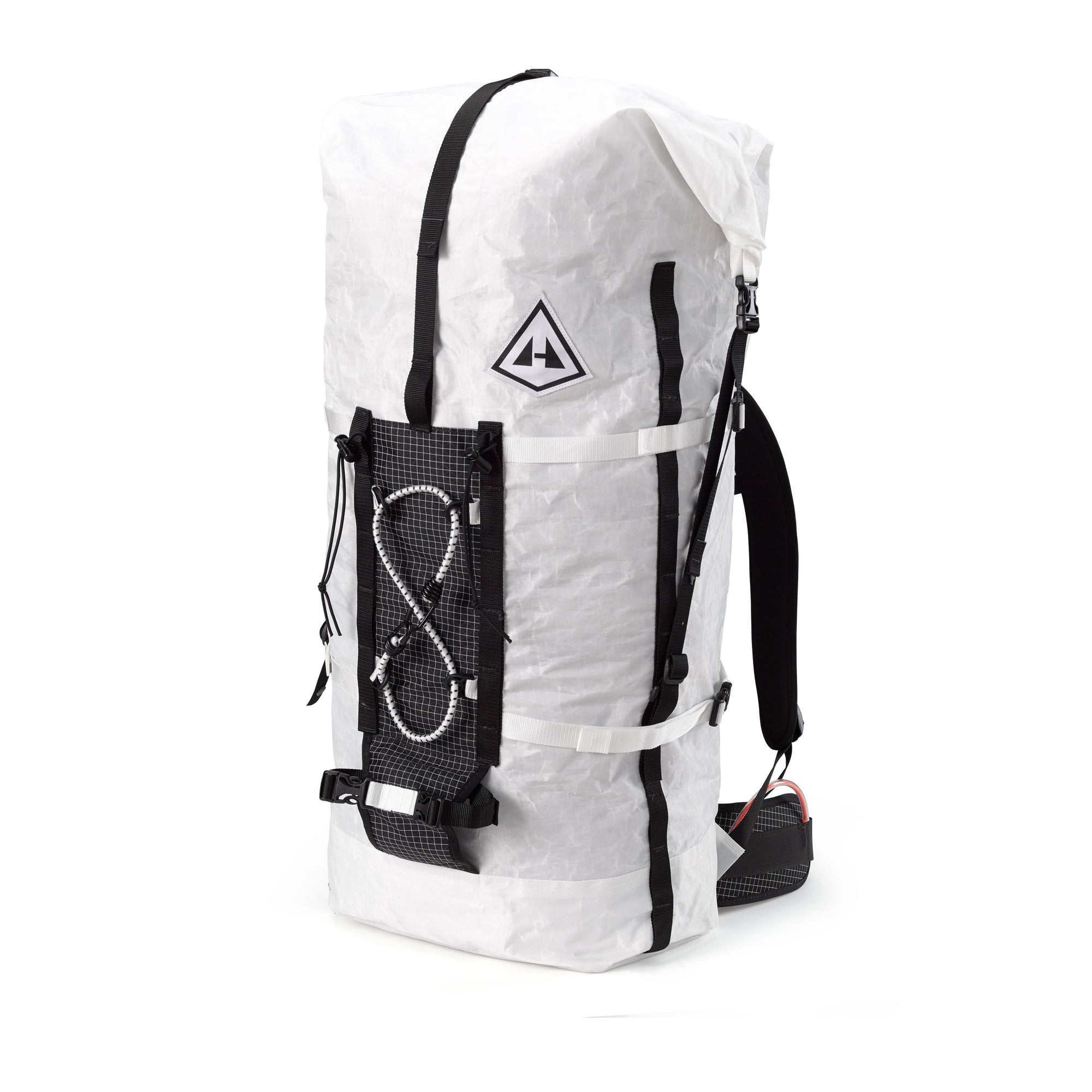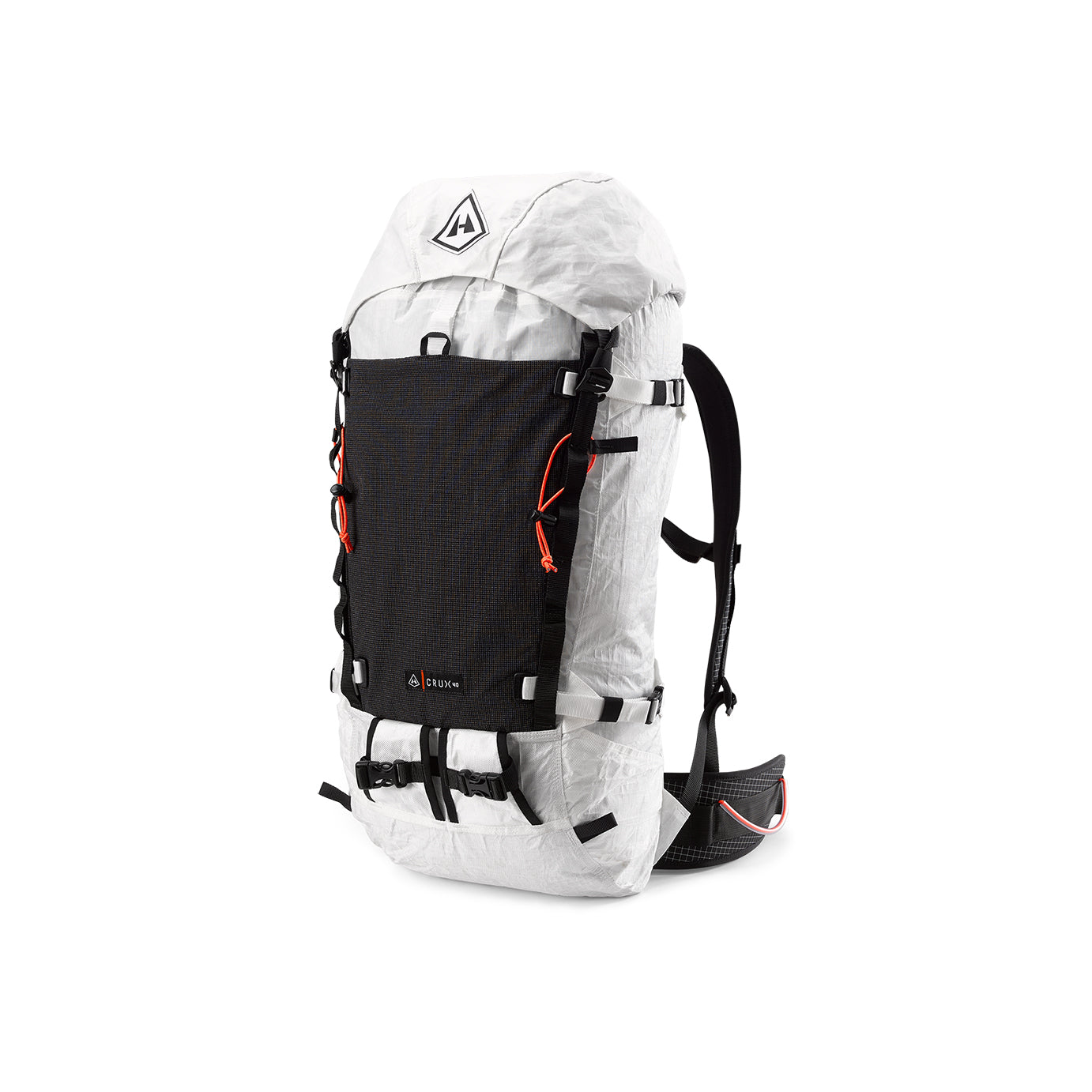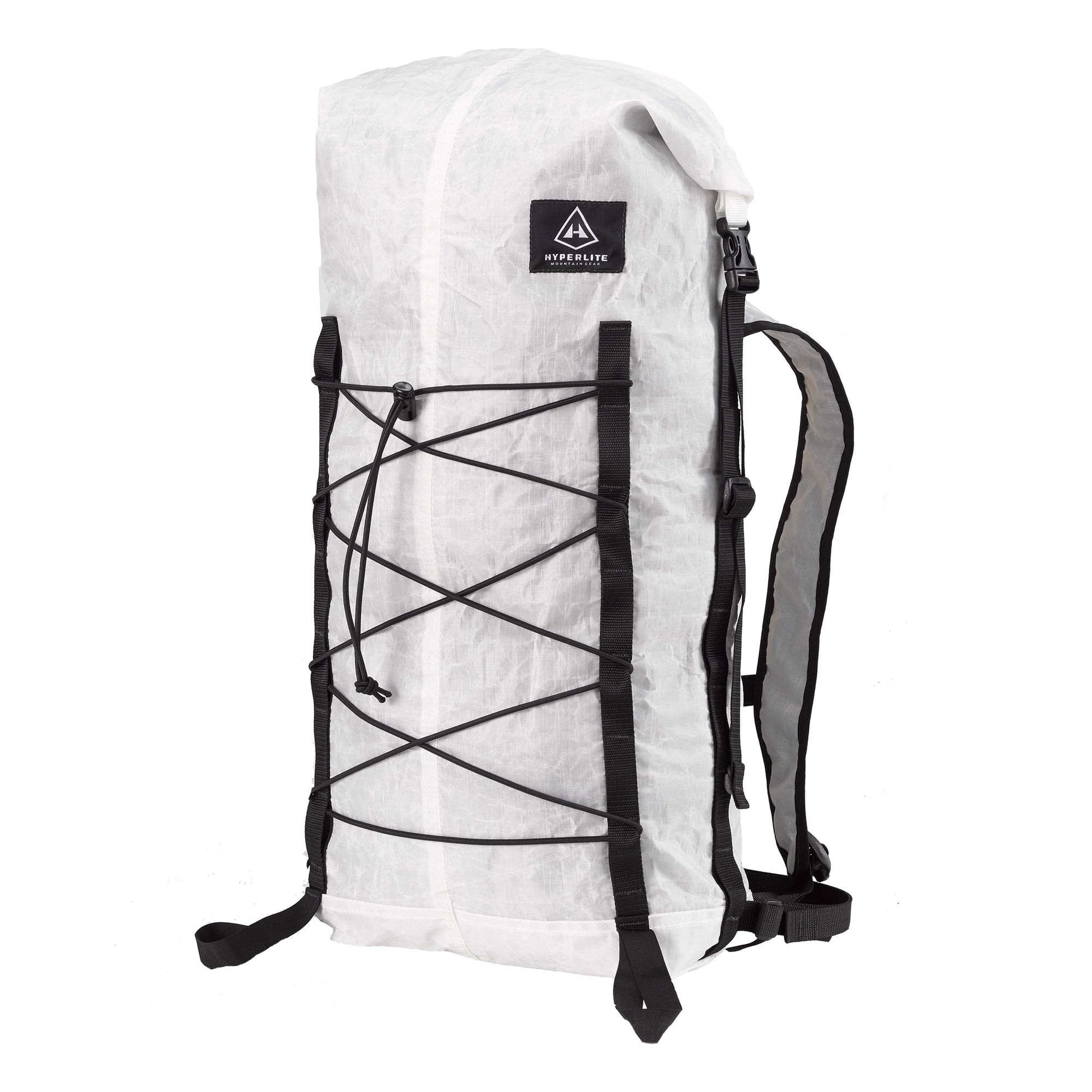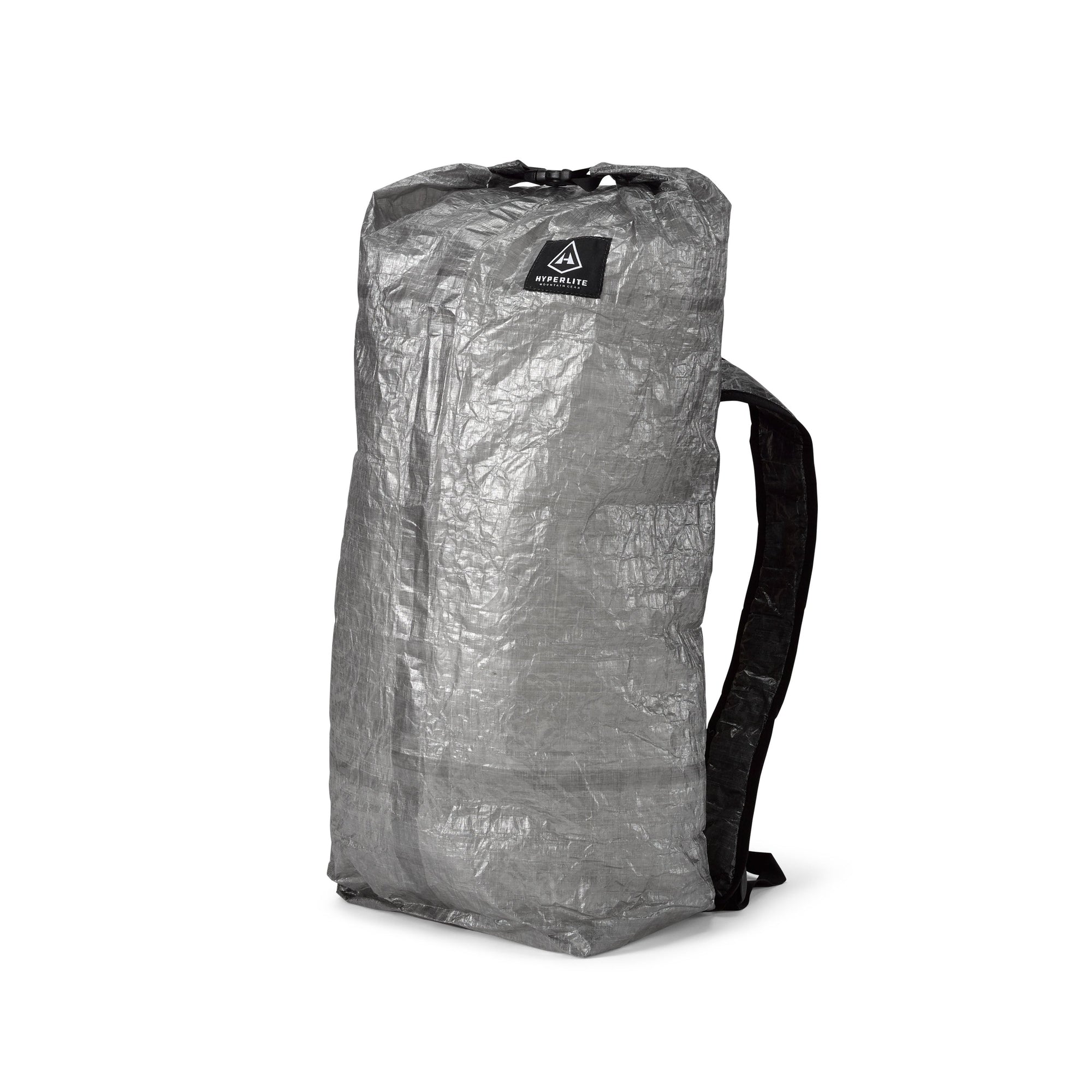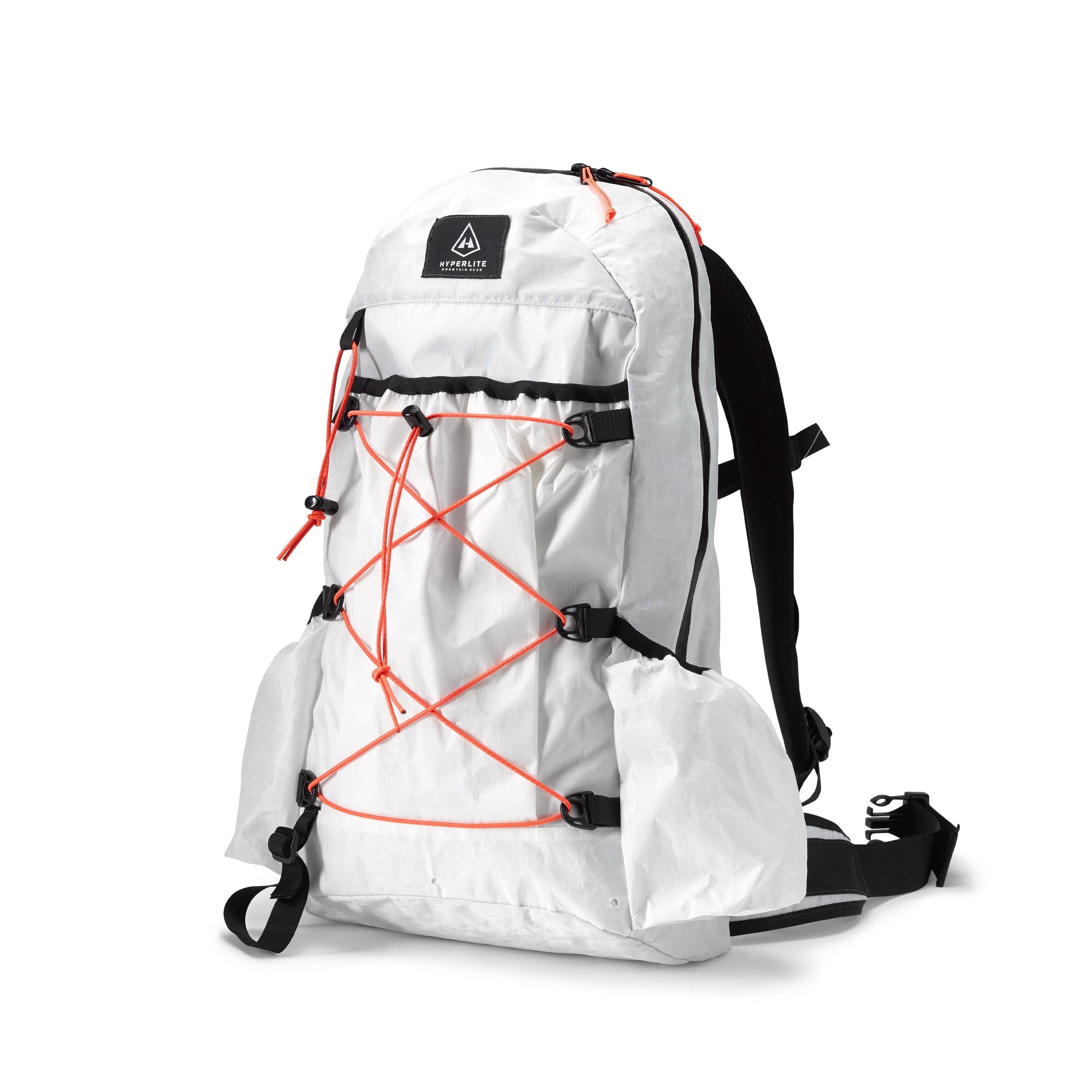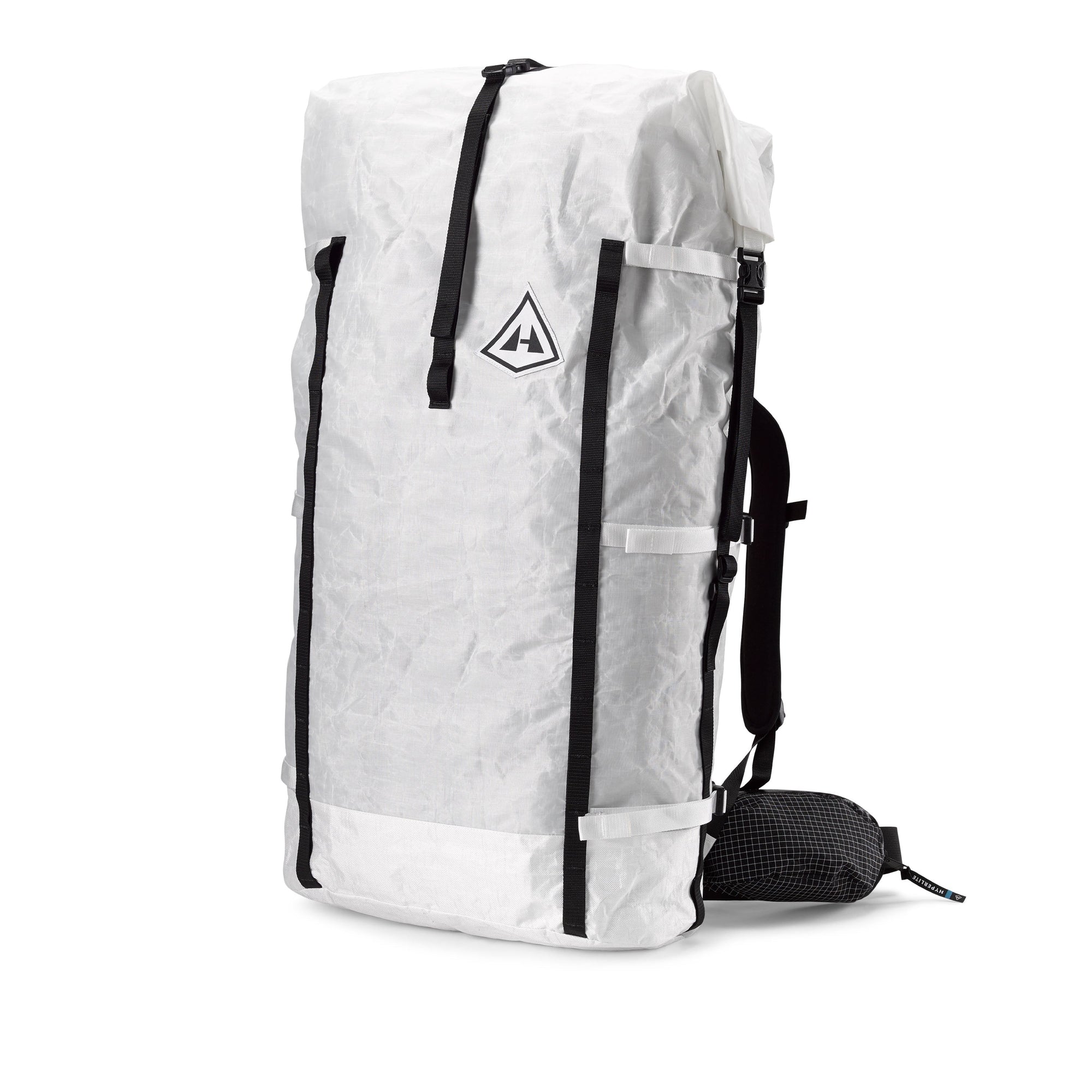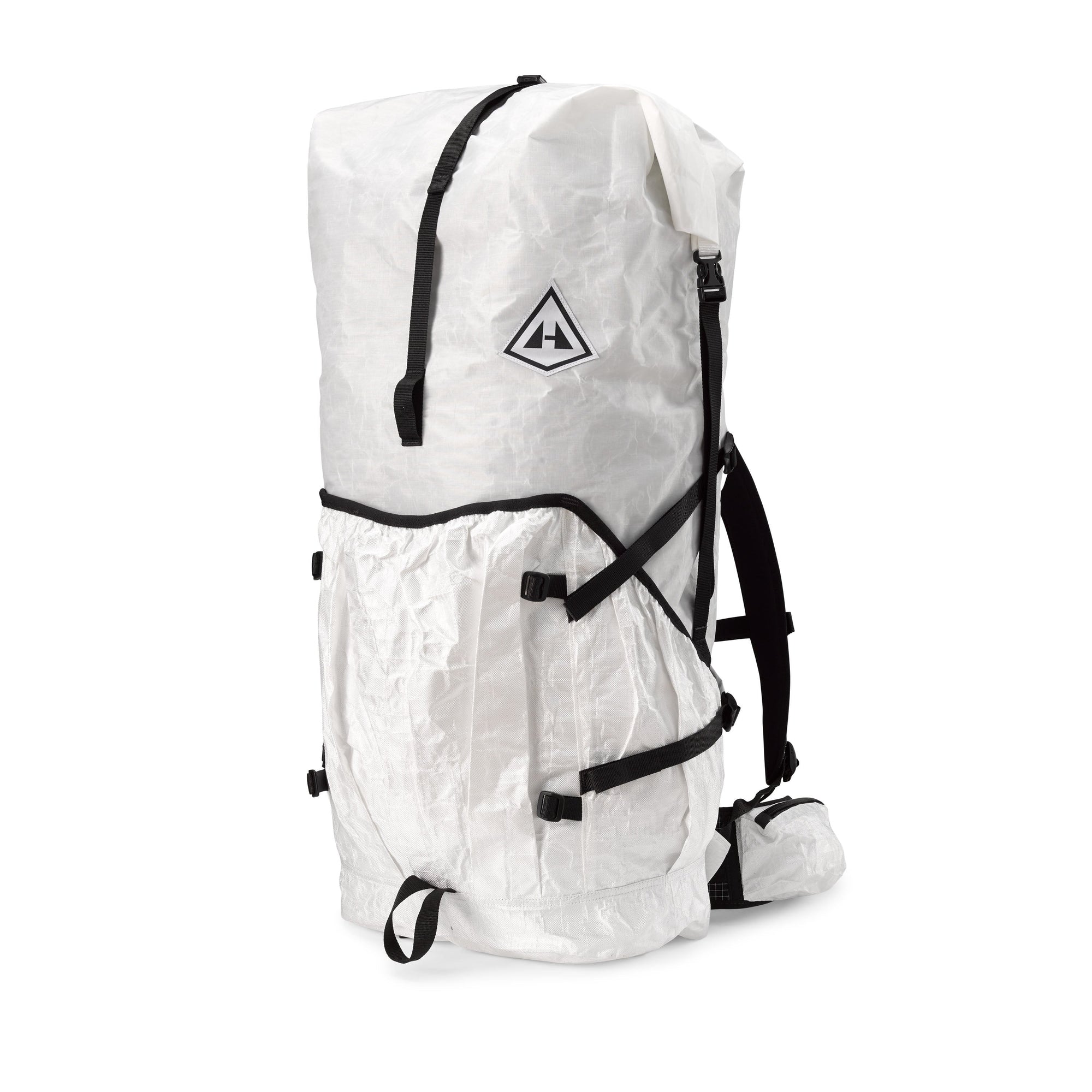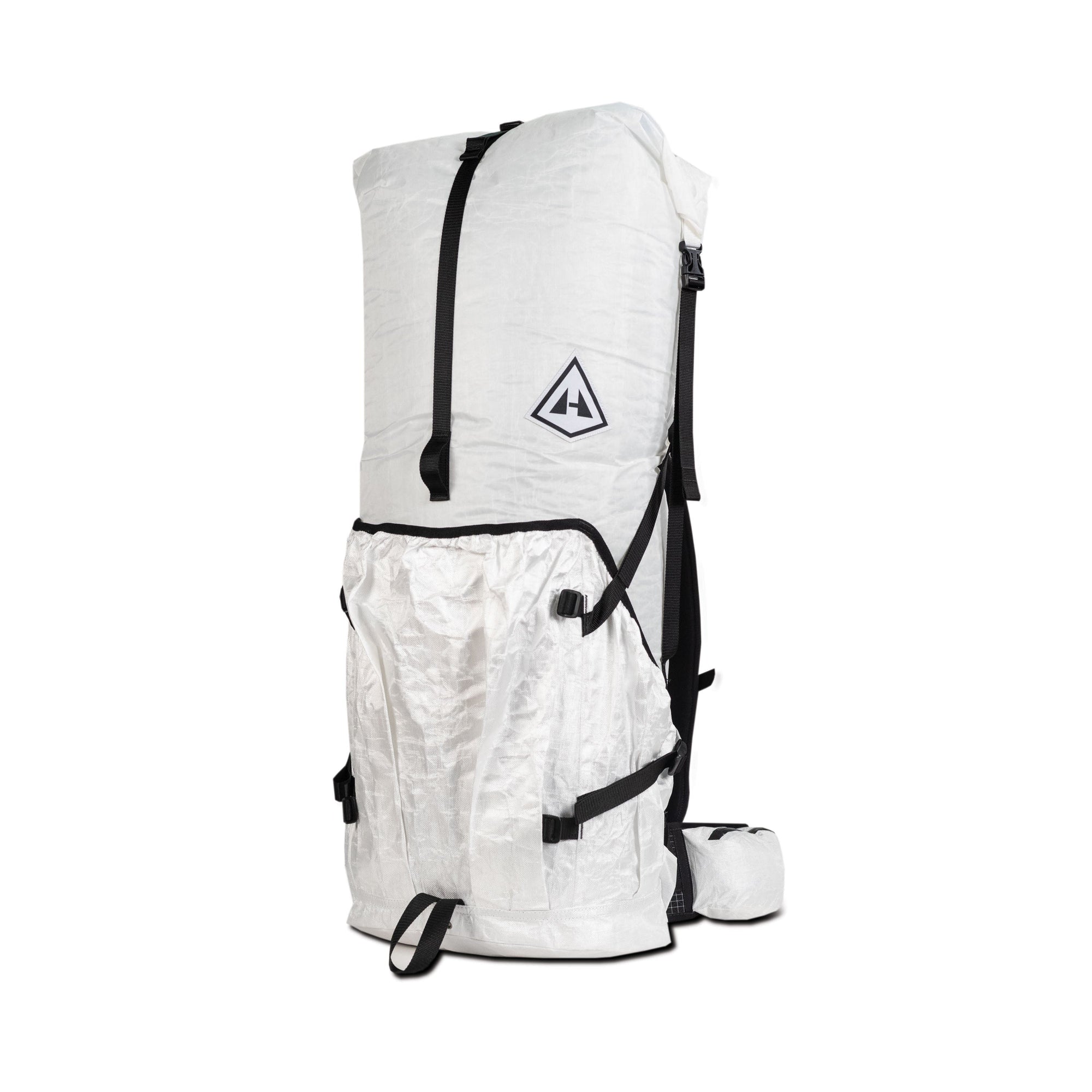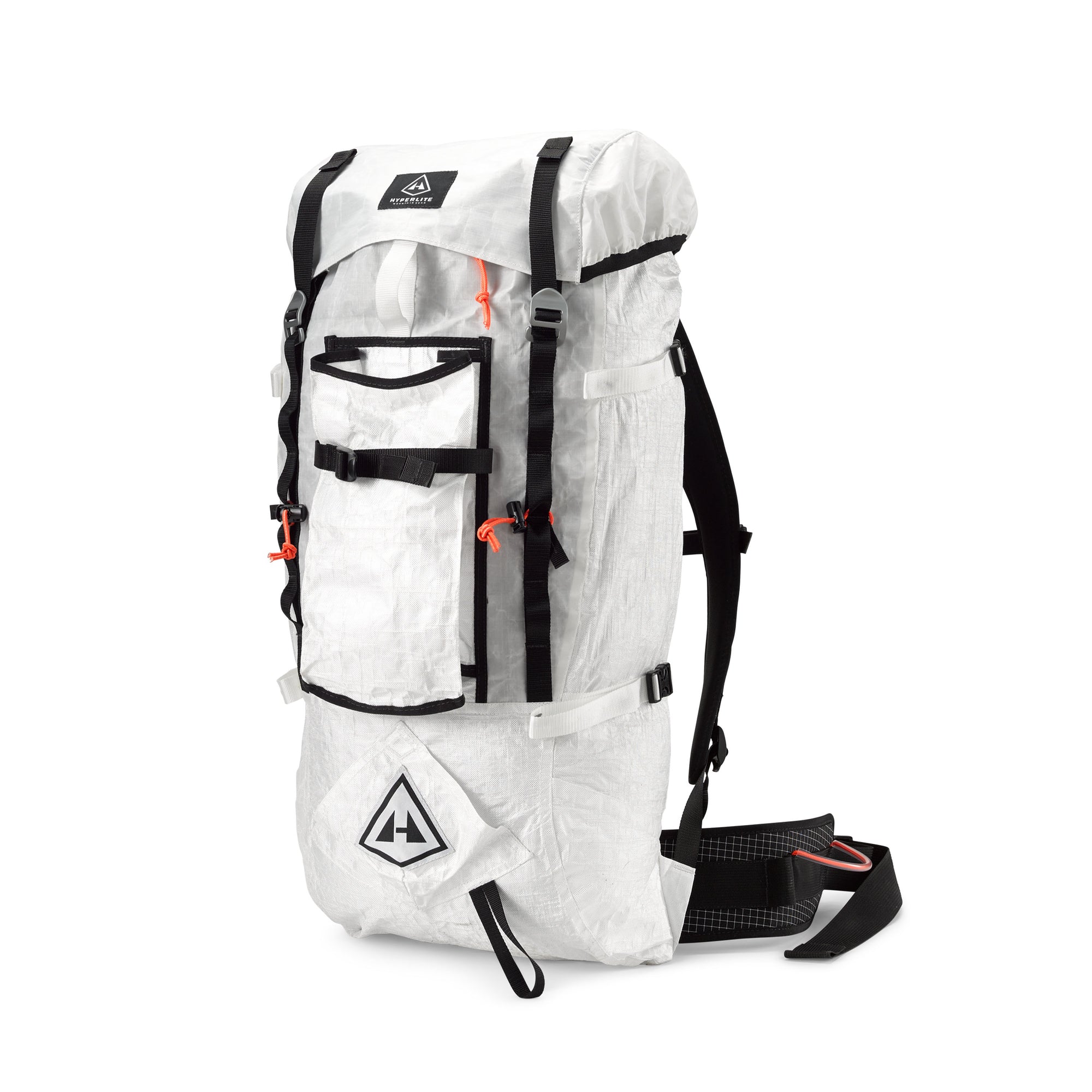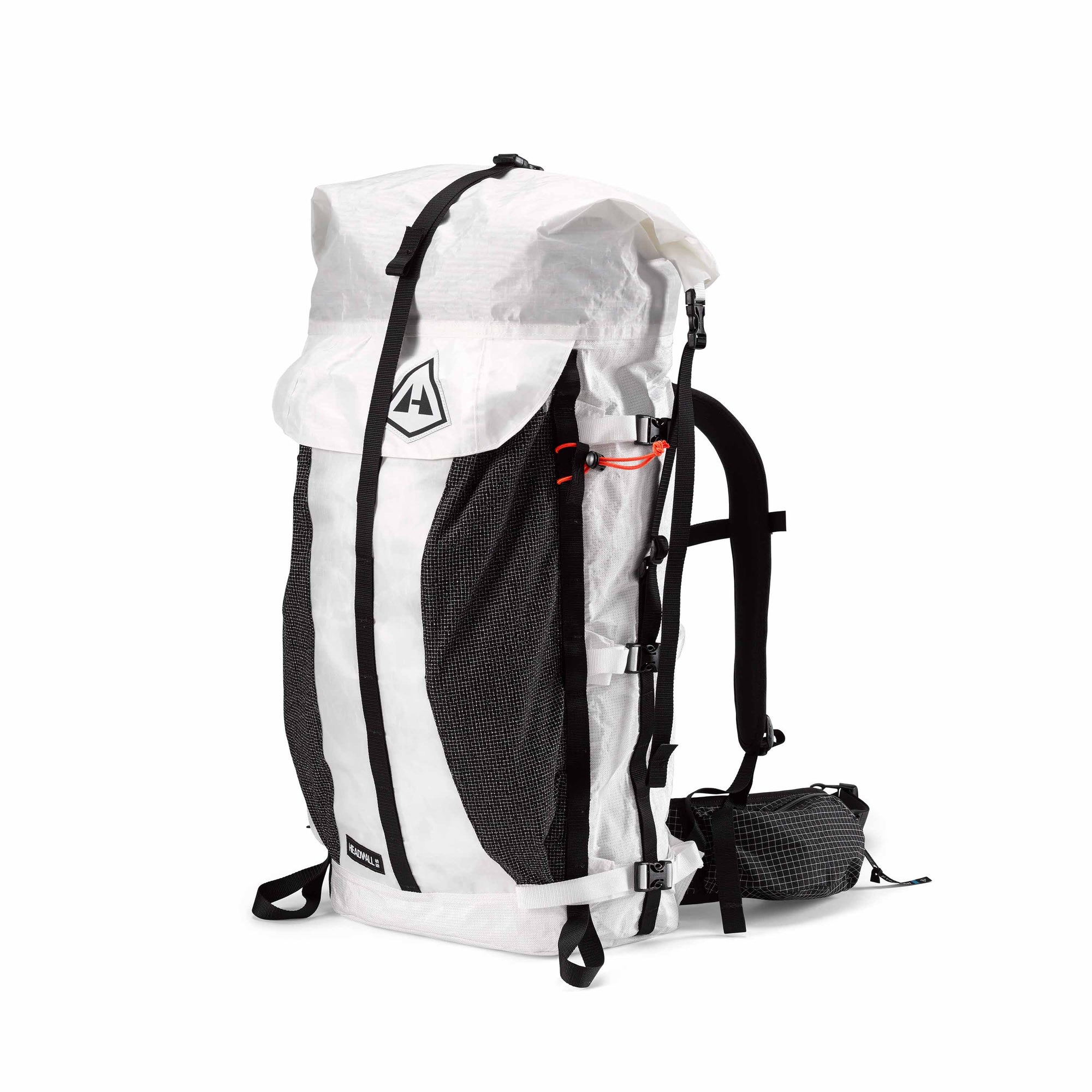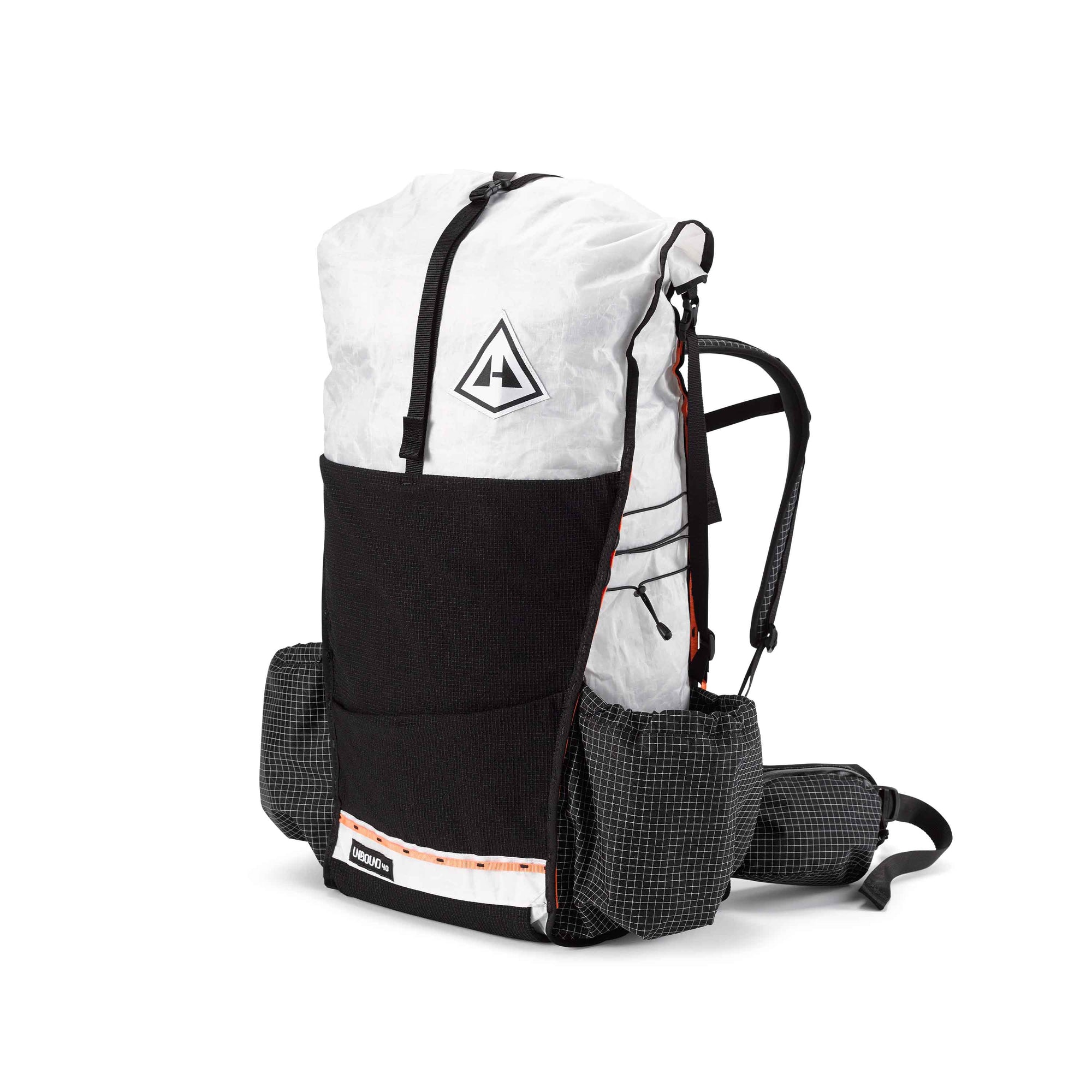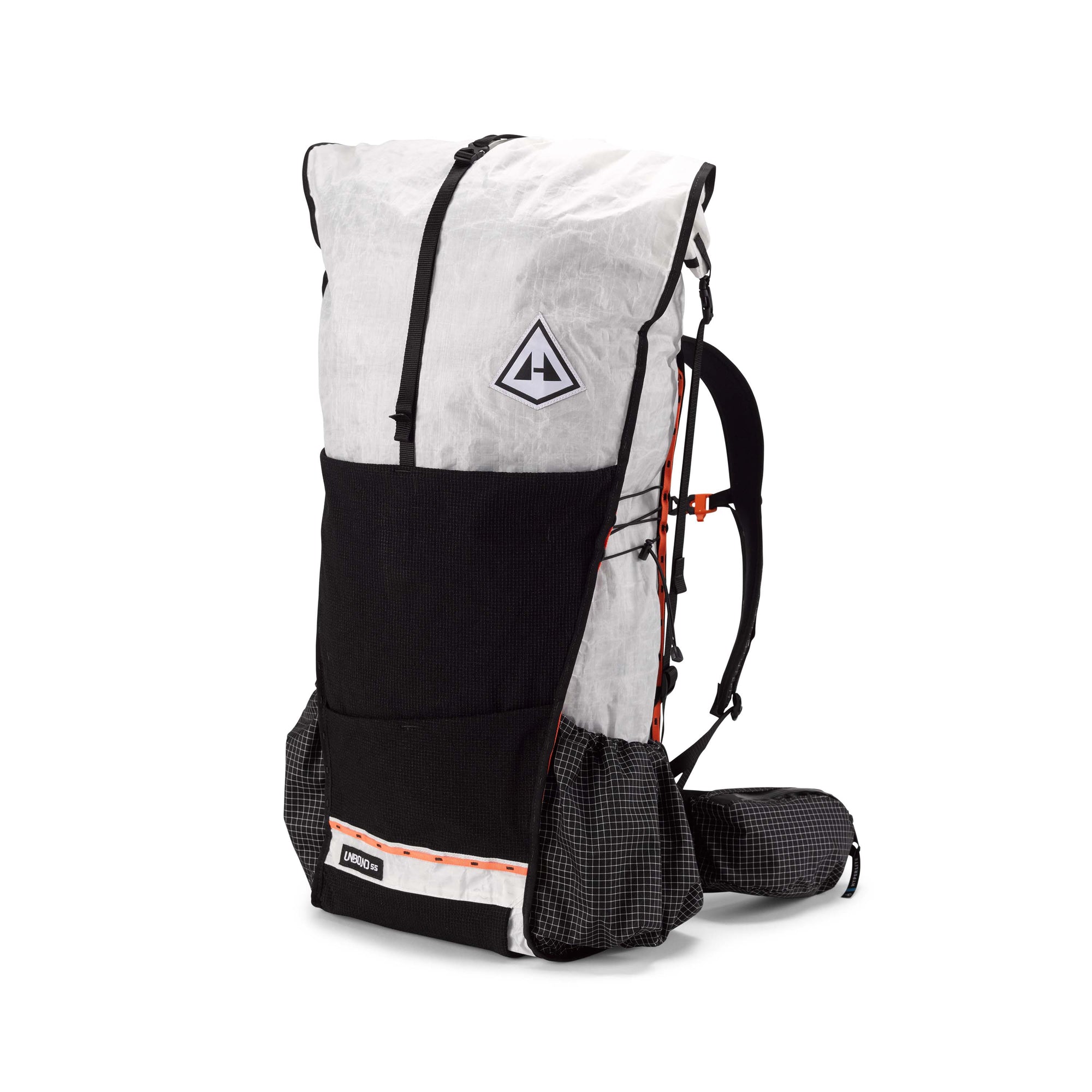
HMG just heard back from Marko Pujic who tested the HMG Ice Pack on a 30 day trip to Nepal. Here’s what he had to say:
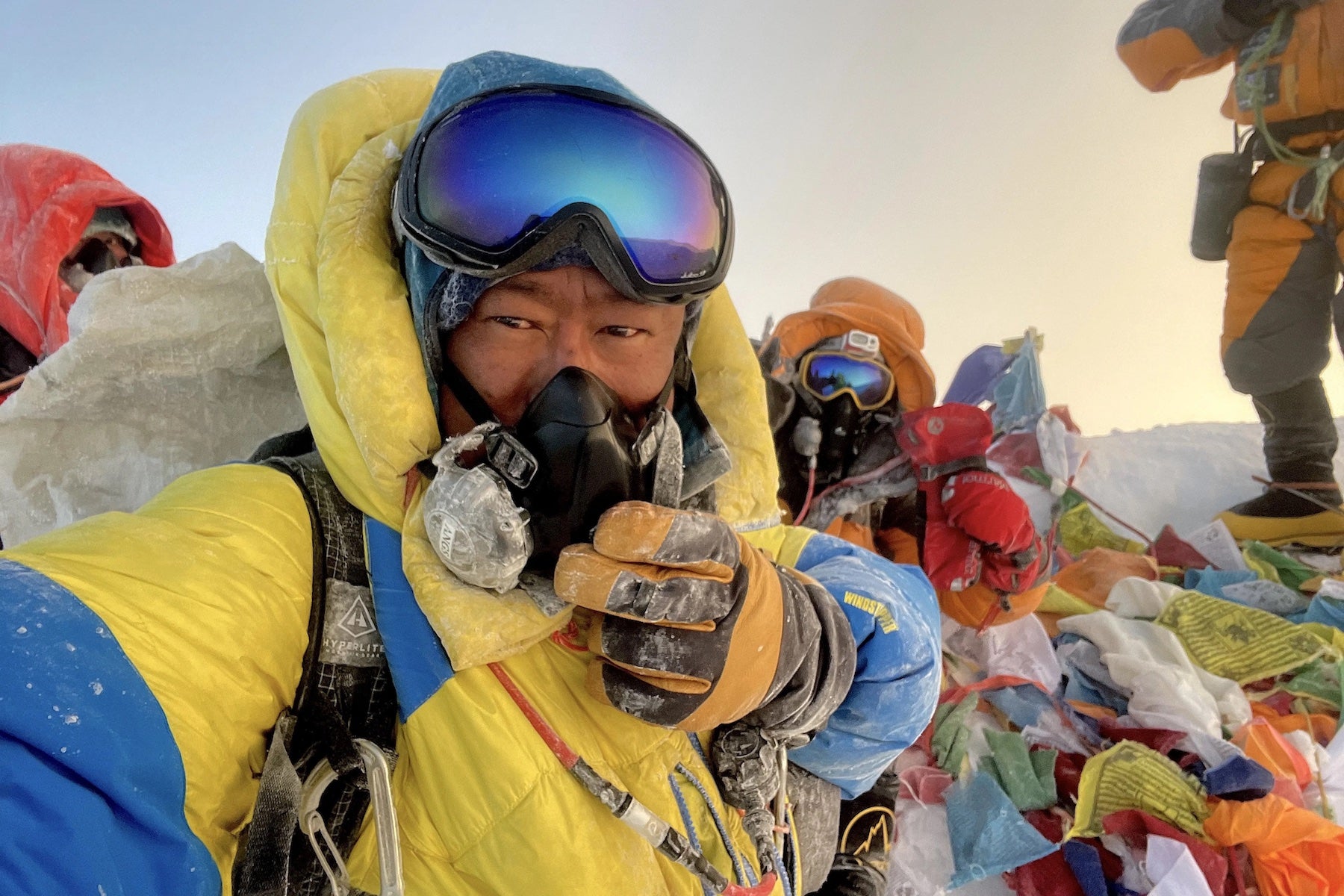
Just before I took off to Nepal in the end of last January, Nick from ProLite hit me up and asked if I’d want to take one of your packs on my trip. I’ve taken a look at your packs in their shop a couple times and was curious. Now I had a chance to try one out so I was stoked. The pack arrived to Bozeman the day before my trip. I packed up and flew to Kathmandu, gathered the supplies I would need over the next month, took a bus to a town we would start a four day trek from. By the time we reached our village high in the mountains I had a good feeling about the pack. Over the next month I would test the pack, as well as mind a body, and find that the pack is truly fast and light, designed for people pushing their limits of possibility. The HMG Ice Pack is essential. Everything you need is there and highly functional; all the other crap has been left out. This is the essence of alpinism itself!

Photography: Tim Stabio
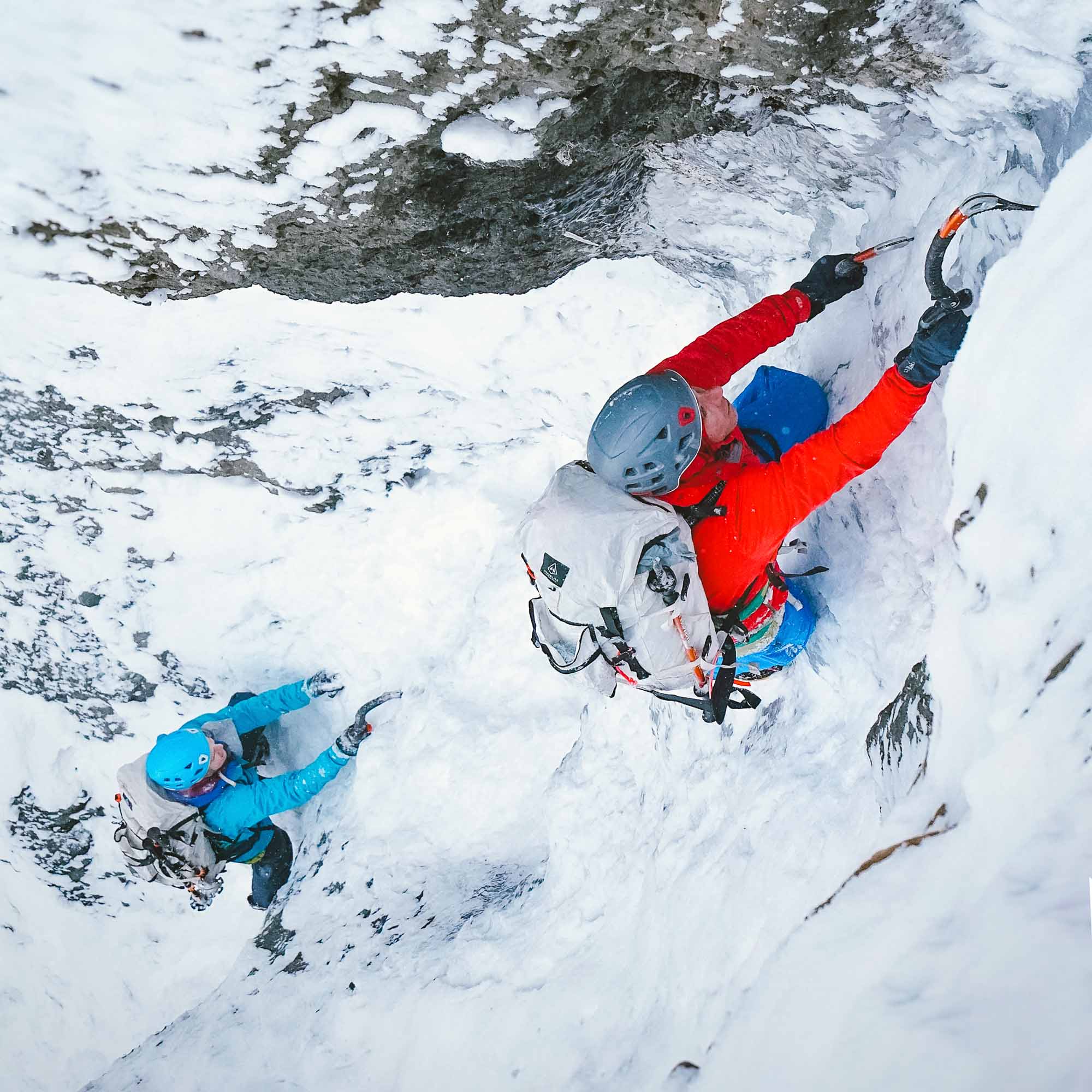
I was rather bummed to part ways with a pack that treated me so well, but unfortunately with my schedule lately there hasn’t been any time for me to get out. Actually I was able to crag one day and I took out my old pack; wow, what a disappointment it was! It never used to feel cumbersome and useless before. Anyways, I hope that I was able to put the wear on it you were looking for. I wore it about 30 days while in Nepal and just a few immediately when I got back to Bozeman. There was 7 trekking days with the pack; the rest was ice and alpine climbing. We started trekking from the humid and dusty jungle and days later wound up in the high valleys in full winter conditions. We stayed in a village called Bedding located in the Rolwaling valley. Even though we brought tents and overnight gear we stayed in the Sherpa house every night and only did day trips from there. The farthest ice we climbed was just a 2 hour approach so there was no need to bring overnight gear and even the peak we climbed we did in a single push from our house. On the way back to Kathmandu it was much warmer yet through the lower jungles, and dusty as ever. Its final test was being put into a small compartment on the bus which sat right above the engine, where it survived being cooked and bashed around for 14 hours down dusty mountain roads.

Photography: Tim Stabio
Let’s talk about the pack’s feature set. Now I typically hate most bells and whistles you find on packs because I see them mainly as added weight, not as added function. However, there are a few features that are important. If you have any features on an ice/alpine pack that must be dialed, it is how the crampons and tools are attached to the pack. When I’m on the move I don’t want to spend time taking crampons off and on or fiddling around with ice tool attachment. I want the tools or crampons on, or I want them off, no fuss. It can seem like a hassle sometimes just having to stop to change modes set on a pack. The HMG Ice Pack is dialed for quick attach and release of your ice tools and crampons, minimizing time spent messing with gear, and getting you back to movement on the mountain sooner. There was a learning curve with the crampon bungee, but it proved to be efficient and reliable once you got the hang of it. When I got the pack from you I noticed the little plastic tab that acted like a gate on the bungee hook had already been cut off. It’s exactly what I would have done. When under tension there is no need for that tab. The pack also carries tools real well. The bungees are quick to tighten and release, and the pick pocket holds the tools snug. I was just given another ultralight pack this winter and the biggest complaint I had was how badly it dropped the ball on the function of these two simple and common features. Having found a true top-end pack now, I was happy to pass along their pack to someone else.
The roll-top design goes right along with the highly functional bare essentials idea. I don’t need a lid with all my tidbits a zipper pull away all the time. If I’m cragging with the pack I’m not stopping just to grab a Gu or pair of shades. The crag is probably not too far away and those things are already in a pant or shirt pocket so I don’t have to stop. If I’m on a long alpine route and I need to grab water or a bar, chances are I’m stopping for more than just 3 minutes and I’ll be getting into the pack for a puffy jacket anyways. The roll top compresses really well for when the pack is only half full and has just enough compression straps. The 3-way strap on top of the pack is highly functional. It holds a helmet really well, compresses to a low profile when the pack is half empty, and holds a rather large load when over-loaded. On our trek out of the Rolwaling Valley we were looking to make good time. My partner and I took the heaviest and densest items to give our porters the lightest load possible. Even with a loaded pack, the 3-way strap was able to secure a rope, tent, and small summit pack on top.
The pack is undoubtedly the lightest out there for its size and function. The stripped weight of the lightest packs on the market is what your max weight is on the HMG Ice Pack! This pack is called Ice Pack, and it crags real well as an ice climbing pack, but I see its unique potential as an elitist’s alpine pack as well. I see this pack as being most valuable for people who are climbing in alpine style on huge routes. These people are going lighter, faster, and farther than the rest. They cut out anything that isn’t absolutely essential, and then cut out a bit more. We trimmed our kit down to bare essentials, cutting even our rack down to half of what would have been. Normally taking about 3 days to climb the peak, our style allowed us to travel much quicker and we completed it in just over 30 hours. The pack was essential to assist in this style of climbing. I’ve taken good packs and cut pockets, fabric flaps and miscellaneous straps off, ripped padding out, and left behind lids, just to try and get to the essentials. The HMG Ice Pack already does that, but it’s equipped with the highest performance fabrics as well. It is made for serious alpine pursuit.

Photography: Tim Stabio
When I get a new piece of gear I try it out for a few outings, and then typically modify a few things to make it fit my needs. On the Ice Pack I didn’t come up with much, but I will be making two mods to it. The first of two fixes will be the inner mesh pocket, and I’ll change two things about it. One, the pocket is far too deep for what its function is. The way I see it, it’s meant for a few items you might have floating around you might want easy access to, a bladder (I never use them in ice or alpine), pair of gloves, a few bars, that sort of thing. The depth of the pocket lets those things slide to the bottom of the pack and I find that you have to take half the stuff out of the pack to be able to squeeze your arm into it to reach those things anyway. If the pocket was only half or a third as deep, those items would be at the top of the pack making it functional. Because of its current design I never used the pocket and it felt like I was carrying one of those useless bells and whistles I typically cut out. The other adjustment on the pocket I’d make is a small Velcro tab in the middle of the opening. I know there is an elastic strip on the top of the pocket, but the pack doesn’t usually stand perfectly stretched out to keep it flat. When loading things into the pack I was catching and fighting the top of that pocket. I think a Velcro tab would keep the slack out of the way making loading that much easier.
The second adjustment I would make for the Ice Pack would be making the foam pad removable. This is an elitist pack after all; the people looking for a piece of gear like this have stripped down every last piece of gear in their kit, and if you could pull the pad and integrate it with the sleeping kit, it would be that much more part of that elitist kit. I would add a Velcro strip along the top of the compartment housing the pad. As a part of my kit, I’m even thinking of having two different foam pads for it, one for day trips and one for multi-day trips. For day trips I’d use the pad that comes with the pack as a part of the frame. For multi-day trips I would replace that pad with one that was bigger, having it folded once or twice to fit. This extra size would double as a bivy pad and eliminate the need for a separate one altogether. There would also be the stripped down mode with no pad, getting it even lighter and turning into a stuff-able summit bag. Using Velcro for this function wouldn’t add much weight, and keeping the elitist in mind, wouldn’t be a gimmicky feature. Imagine the stripped down weight of the pack without the pad!
Mike, I’m so happy to have had a chance to use your pack and become a new believer. If you can’t tell by now, I’ve definitely found my new favorite fast pack! I’ve been showing it off to everyone I have a chance to and have received great feedback. The HMG Ice Pack has quickly earned its place in my essentials kit and will remain for a long time. I love the direction you’re going with HMG and would love to be a part of this. I’m definitely bringing HMG on my next trip.
.